
Egypt’s B3 upgrade meets an open-ended Gulf pledge
Moody’s positive outlook assumes Cairo’s security liabilities stay contingent, not cash.
 Odile MarchettiCentral banks, rates and sovereign debt
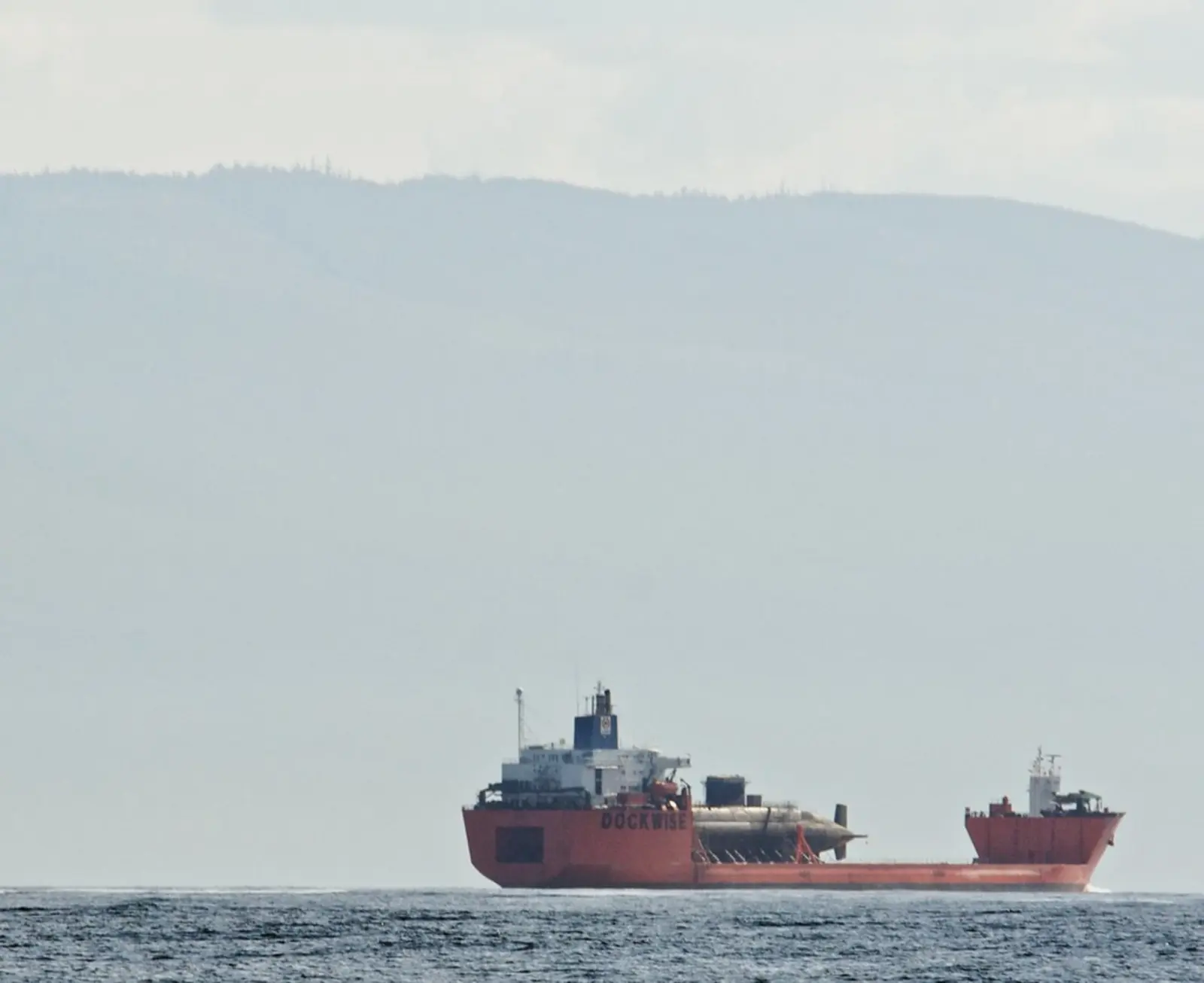
Moody’s has upgraded Egypt to B3 and kept a positive outlook, while Cairo has signalled possible defence support for Saudi Arabia. Reported drone interceptions, tanker mine incidents and Yemen fighting raise the chance that security commitments become financial ones. A VIX close at 16.46 shows markets have not yet priced that transition.
The VIX closed at 16.46 on 15 October 2026. That is a quiet number for a week in which the Gulf produced drones, mines and an open-ended Egyptian security pledge.
Moody’s upgraded Egypt’s rating to B3 and maintained a positive outlook. The action assumes Cairo can keep its financing story intact while the region’s risk map becomes more crowded.
A rating that assumes quiet borders
Egypt was reportedly considering defence assistance to Saudi Arabia. President Abdel Fattah el-Sisi pledged to take any measure to defend Saudi Arabia if requested amid Houthi attacks. Those words do not move cash today. They create an option that creditors must value.
Saudi-led coalition forces reported intercepting and destroying four drones over Riyadh, the Eastern Province and the southern region. Iran said two tankers caught fire after hitting mines in the Strait of Hormuz. Saudi-led forces said they struck multiple positions around Taiz to break the Houthi siege, and aid agencies warned of a humanitarian crisis as fighting intensified across Yemen.
The mechanism for Egypt is not the first deployment. It is the second one. A pledge can remain political. Assistance can become fuel, munitions, maintenance, medical support or air-defence coordination. Each step adds a contingent liability that does not need to appear in the budget before it changes lender behaviour.
The pledge is not a line item yet, but it changes the distribution of Egypt’s possible liabilities.
The precedent is the familiar one: political guarantees are cheap until they require logistics.
The market is not confirming the shock
The equity-volatility gauge is the obvious place to look for confirmation, and it stayed calm. A VIX at 16.46 says options traders are not paying up for an immediate oil-supply rupture. It does not say the security events are trivial. It says the broad market has not yet turned them into a price.
That calm can be rational. Risk can be localised, and equity options often ignore a shock until it threatens global earnings. But calm is not evidence that the shock is absent. It is only evidence that, so far, hedgers have not paid for protection. For creditors, the question is whether that indifference is analysis or delay.
That gap matters. Sovereign credit committees do not mark their views daily. They ask whether a state can meet interest, principal and import bills under stress. If Gulf security deteriorates, the test is not only direct military spending; it is whether lenders demand more compensation for holding the debt.
The Strait of Hormuz is the cleanest transmission channel. Tankers hitting mines raise shipping costs first. For a B3 borrower, the difference between a contained escort problem and a sustained underwriting problem is the difference between a nuisance and a refinancing test.
Cairo’s pledge is a balance-sheet question
Egypt’s credit story has always been about liquidity more than solvency. The upgrade to B3 improves the label, but it does not create a fiscal cushion large enough to absorb a wider security role. The strongest reading of the positive outlook is conditional: it holds while defence support remains diplomatic and rhetorical.
The pledge is not a line item yet, but it changes the distribution of Egypt’s possible liabilities. If Saudi Arabia requests help and Egypt provides operational support, the rating agencies must decide whether the state’s external support is a one-off or a pattern. If Houthi attacks, tanker incidents and Yemen fighting remain episodic, the outlook can survive. If they become routine, the positive outlook starts to look like a lagging indicator.
The open question is not whether Cairo can make a pledge. It is whether the Gulf security environment lets that pledge stay cheap.
- 01The VIX closed at 16.46 on 15 October 2026.
- 02Moody’s upgraded Egypt to B3 and maintained a positive outlook.
- 03Egypt was reportedly considering defence assistance to Saudi Arabia.
- 04President Abdel Fattah el-Sisi pledged to defend Saudi Arabia if requested amid Houthi attacks.
- 05Saudi-led coalition forces reported intercepting four drones; Iran said two tankers caught fire after hitting mines.
Interpretation, not reporting. The facts above carry their tiers; this is one correspondent’s reading of them.
Egypt’s upgrade is less a clean endorsement than a bet that its security perimeter stays cheap. I can accept the B3 and positive outlook while the country considers assistance and makes political pledges. Those are contingent obligations, not cash outflows. The moment assistance becomes logistics, basing, munitions or sustained air operations, the math changes. A B3 sovereign does not have a spare fiscal cushion for an open-ended Gulf commitment.
The market’s calm is the weak part of the story. A VIX at 16.46 tells me equity options are not pricing a regional shock; it does not tell me that Egypt’s creditors have priced a contingent military liability. I would change my mind if the pledge stayed rhetorical and no new financing was tied to Saudi defence. I would also watch whether drone interceptions and mine incidents become routine rather than episodic. If they do, the positive outlook collides with a security bill that no rating committee can ignore.
— Odile Marchetti
Every claim in this article, and what it rests on
We do not ask you to take our word for it. Each statement below carries its tier and its sources. Where sources disagree, you get both accounts and what would settle it.
The VIX closed at 16.46 on 15 October 2026.
Moody's upgraded Egypt's rating to B3 and maintained a positive outlook.
Egypt was considering defence assistance to Saudi Arabia.
Egyptian President Abdel Fattah el-Sisi pledged to take any measure to defend Saudi Arabia if requested amid Houthi attacks.
Saudi-led coalition forces intercepted and destroyed four drones over Saudi Arabia's Riyadh, Eastern Province and southern region.
Iran said two tankers caught fire after hitting mines in the Strait of Hormuz.
Saudi-led forces struck multiple positions around the Yemeni city of Taiz to break the Houthi siege.
Fighting intensified across Yemen as aid agencies warned of a humanitarian crisis.
The case against this story
Written by an adversarial reviewer, not the correspondent
The story paints a picture of simultaneous multi-front Middle East escalation—Houthi drone attacks on Saudi Arabia, an Egyptian presidential pledge of open-ended military support, Iran publicly acknowledging mine incidents in the Strait of Hormuz, and intensified Yemen fighting—all at once. Yet the VIX closed at 16.46, well below its long-run average of roughly 20, signalling that financial markets see no meaningful risk. If these military events were genuinely unfolding concurrently, markets would react with a volatility spike; the calm VIX either contradicts the escalation narrative or undermines the market data claim. Additionally, Egypt is described as carrying a B3 credit rating—deep junk territory—while simultaneously considering foreign defence assistance to Saudi Arabia. A country in such economic distress does not typically extend military aid abroad. The combination of extreme geopolitical claims and placid market data suggests the overall escalation framing is overstated or internally inconsistent.
Who benefits from this framing: Readers who accept this framing become more sympathetic to military intervention against Iran and the Houthis. The Saudi government benefits from international sympathy and diplomatic cover for its coalition operations. Defence contractors and arms exporters benefit from narratives that justify increased military spending and procurement. Hawks in Western and Gulf capitals benefit from a story that builds a case for escalation and tougher measures against Iran. Iran itself could benefit if the mine attribution sows confusion about responsibility and deters shipping traffic, potentially raising oil revenues.
Report an error in this article
Subscriptions open at launch
Global Wealth Review will be a paid publication. Reading is free while we build the archive — leave an address and we will write to you once, when subscriptions open.