A slow count would leave fiscal and regulatory positions unsettled for longer than most investors have planned for, and the reasons for the delay matter as much as the result.
Odile MarchettiCentral banks, rates and sovereign debtC 6 6 claims
Policy intentions for Hong Kong's capital markets matter to anyone deciding where diversification money should sit, and the evidence for an actual shift is thinner than the headline suggests.
Odile MarchettiCentral banks, rates and sovereign debtA 2 C 4 6 claims
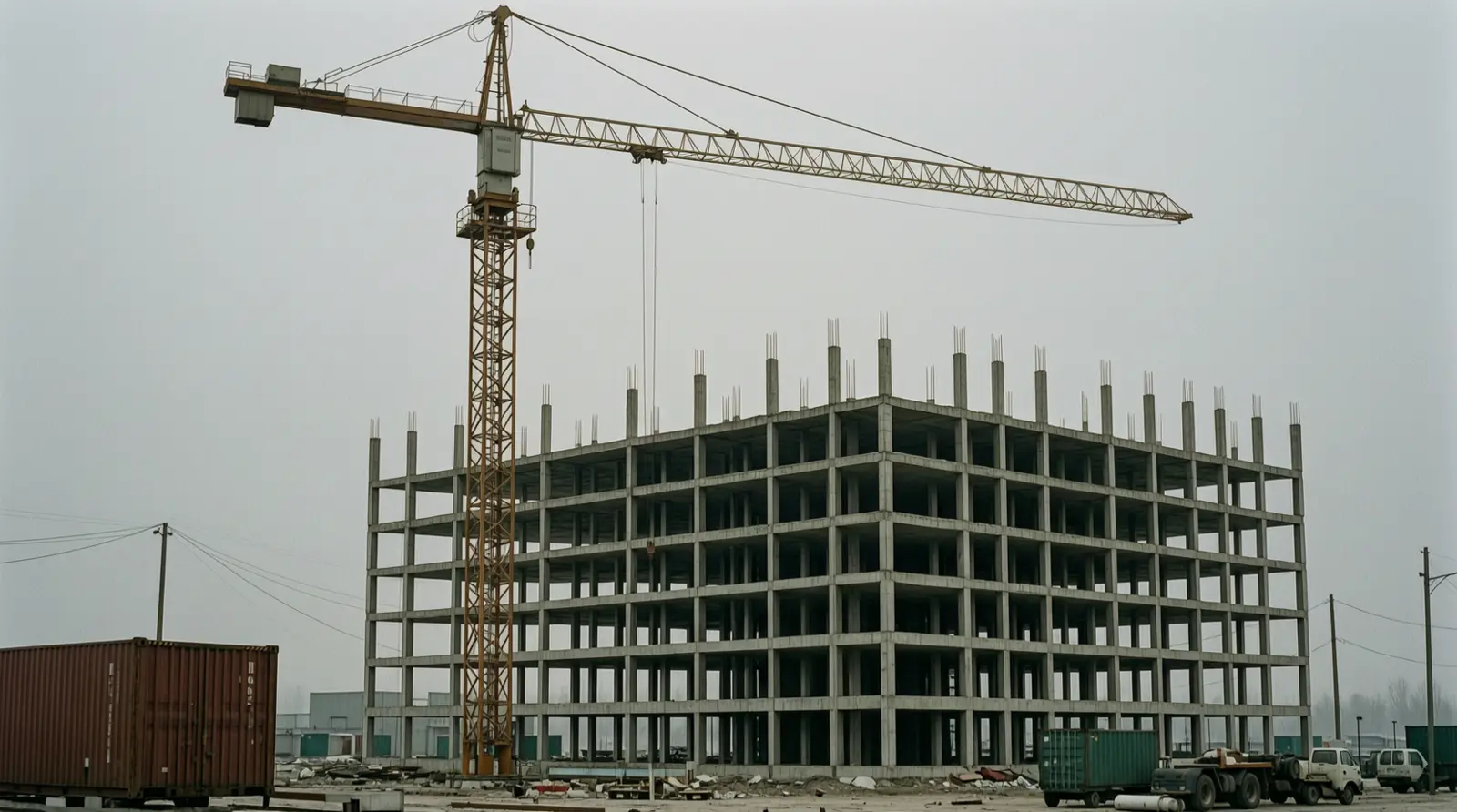
If local rules slow the buildout investors have already priced in, the damage will show up in capital spending well before it shows up in market prices.
Odile MarchettiCentral banks, rates and sovereign debtA 3 C 4 7 claims
A reserve change aimed at the yuan lands in a week when the dollar rose and Treasuries rallied, so the funding costs for Asian fixed-income books depend on which signal wins.
Odile MarchettiCentral banks, rates and sovereign debtA 4 C 3 7 claims
Coordinated labour action would matter for European inflation expectations, but the evidence so far describes two separate disputes with little sense of scale.
Odile MarchettiCentral banks, rates and sovereign debtC 5 5 claims
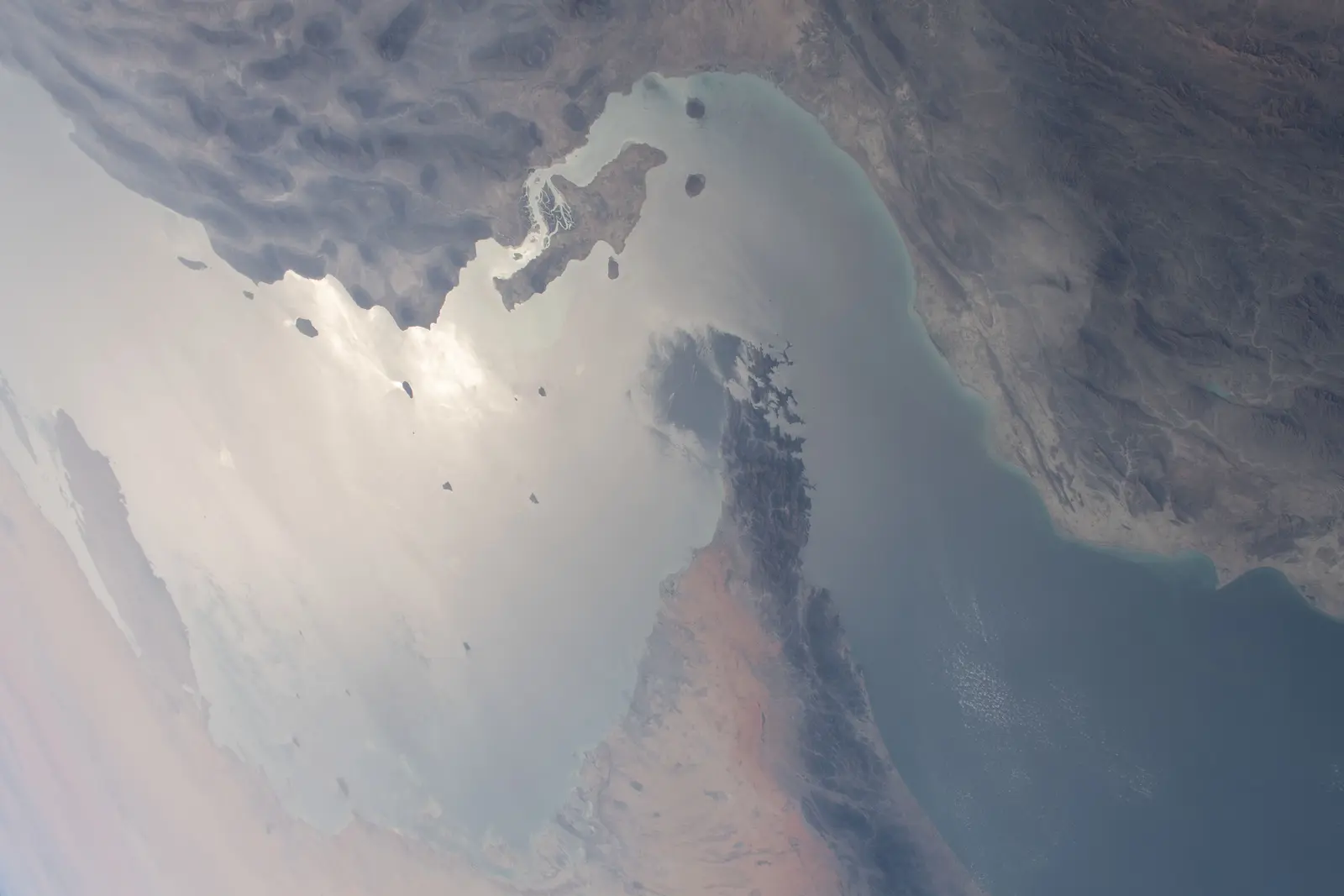
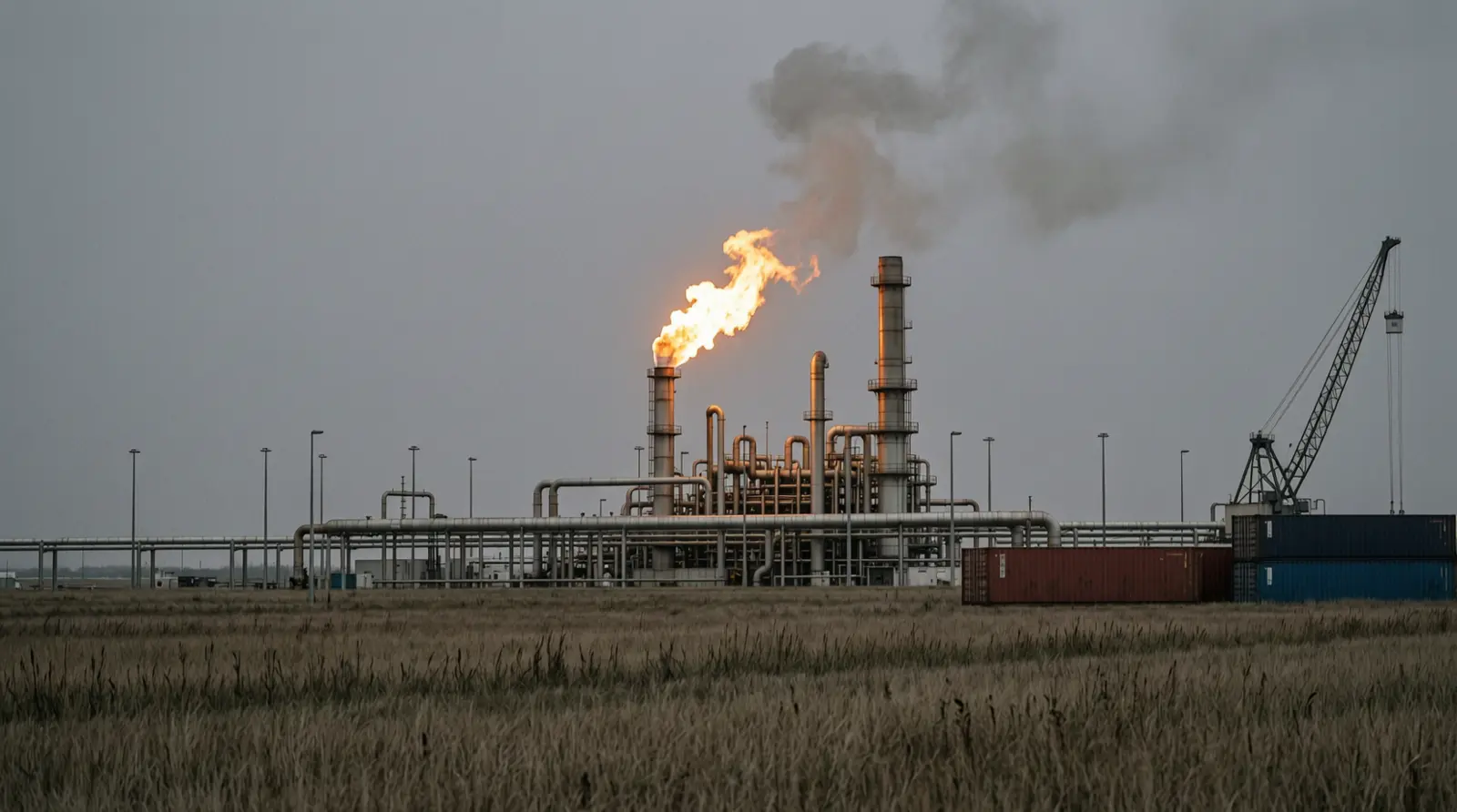
A ceasefire that can start in two days would change how Gulf energy risk is priced, so the gap between Tehran's words and any verifiable step matters to anyone exposed to the region.
Odile MarchettiCentral banks, rates and sovereign debtC 6 6 claims
If AI, settlement and capital needs are being argued as one policy question, the balance sheets that carry the risk will change, so the difference between a shared agenda and a shared listing matters.
Odile MarchettiCentral banks, rates and sovereign debtB 5 5 claims
If fighting in al-Jawf reaches Saudi airspace, Red Sea and Gulf risk models would need to change, and the current reporting cannot yet say whether it will.
Odile MarchettiCentral banks, rates and sovereign debtC 5 5 claims
Sudan's UN complaints, famine warnings and a strained health system in northern Ethiopia show pressure building across a region, even though the sources do not yet show one war.
Odile MarchettiCentral banks, rates and sovereign debtC 5 5 claims
If state-favoured groups are consolidating autos and chip tools, investors need to price that pattern, but the evidence so far is one month of sales, an unnamed deal and undated targets.
Odile MarchettiCentral banks, rates and sovereign debtC 6 6 claims
A withdrawal from a West Bank city and a reported hostility to Palestinian voting both bear on the stability of Israeli politics and the West Bank risk outlook, but only one of them is documented by reporting.
Odile MarchettiCentral banks, rates and sovereign debtB 2 C 2 4 claims
If a sitting Michigan Democrat is backing the Republican in a Senate race decided in the final days before the vote, the arithmetic changes, so the question of who has confirmed it matters.
Odile MarchettiCentral banks, rates and sovereign debtC 5 5 claims
Investors weighing Hong Kong's push into stablecoins, REIT listings and fintech need to know which of these announcements has a measurable outcome yet.
Odile MarchettiCentral banks, rates and sovereign debtA 2 C 5 7 claims
Readers who price Asian rate expectations need the Tokyo primary documents now, because nothing outside the official record yet explains what they say.
Odile MarchettiCentral banks, rates and sovereign debtA 5 B 1 C 1 7 claims
Whether Beijing's liquidity push reaches equity issuance decides if a rebound in trading becomes a fundraising window, and the listing calendar does not yet show it.
Odile MarchettiCentral banks, rates and sovereign debtA 2 C 5 7 claims
Security and cost-of-living tensions in three EU states could shift policy risk in the region, but only if they are connected in fact rather than in layout.
Odile MarchettiCentral banks, rates and sovereign debtC 7 7 claims
Readers with rate, energy and defence exposure need to know whether a war and two election disputes can change who controls the Senate before Tuesday's vote.
Odile MarchettiCentral banks, rates and sovereign debtC 7 7 claims
Garment pay, voter rolls and a dam dispute bear on supply costs and political risk in two large emerging markets, but the reporting behind each is thinner than the headlines suggest.
Odile MarchettiCentral banks, rates and sovereign debtB 1 C 3 4 claims
Governments that are pricing policy risk need to know whether these events share a cause or only a calendar, because the answer changes what a fiscal response would look like.
Odile MarchettiCentral banks, rates and sovereign debtB 1 C 3 4 claims
For anyone with Middle East exposure, the gap between the two death counts matters more than the headline, because it shows how little of this day is firmly sourced yet.
Noor HaddadDigital assets, custody and settlementC 4 4 claims
Investors pricing Balkan political risk need to know whether the movement that changed a government is moving in step with the courts, and the sources here do not yet show that.
Odile MarchettiCentral banks, rates and sovereign debtB 1 C 4 5 claims
Whether a defeated, investigated former president can stay in the United States, and whether his family can run again, shapes how investors price Brazil's political path.
Odile MarchettiCentral banks, rates and sovereign debtC 6 6 claims
Two proposed Gulf security frameworks could reshape regional political risk for energy and infrastructure investors, but so far each rests on talk rather than documents.
Odile MarchettiCentral banks, rates and sovereign debtC 6 6 claims
A quarter-point rise is the case for caution, and citizenship schemes are the case for buying, but the evidence for the second is thinner than its pitch.
Odile MarchettiCentral banks, rates and sovereign debtA 3 C 4 7 claims
If a state attribution and a self-reported coverage rate are both accurate, the exposure question moves from the hacker to whoever holds the balance sheet.
Noor HaddadDigital assets, custody and settlementC 5 5 claims
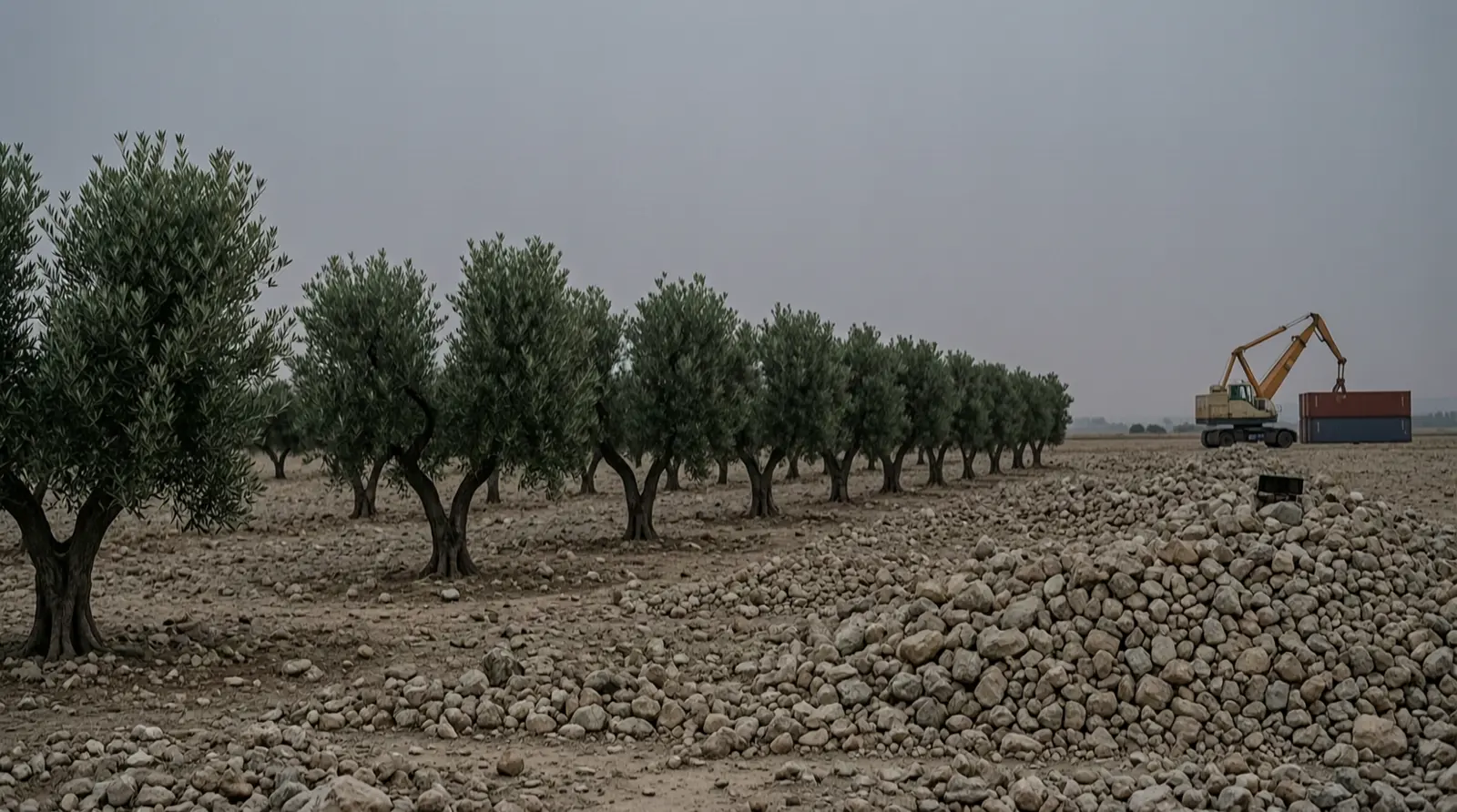
Land, labour and a contested grove are all visible at harvest time, and a single broadcaster's account of that pressure is only worth pricing once someone else confirms it.
Odile MarchettiCentral banks, rates and sovereign debtA 1 B 3 C 1 5 claims
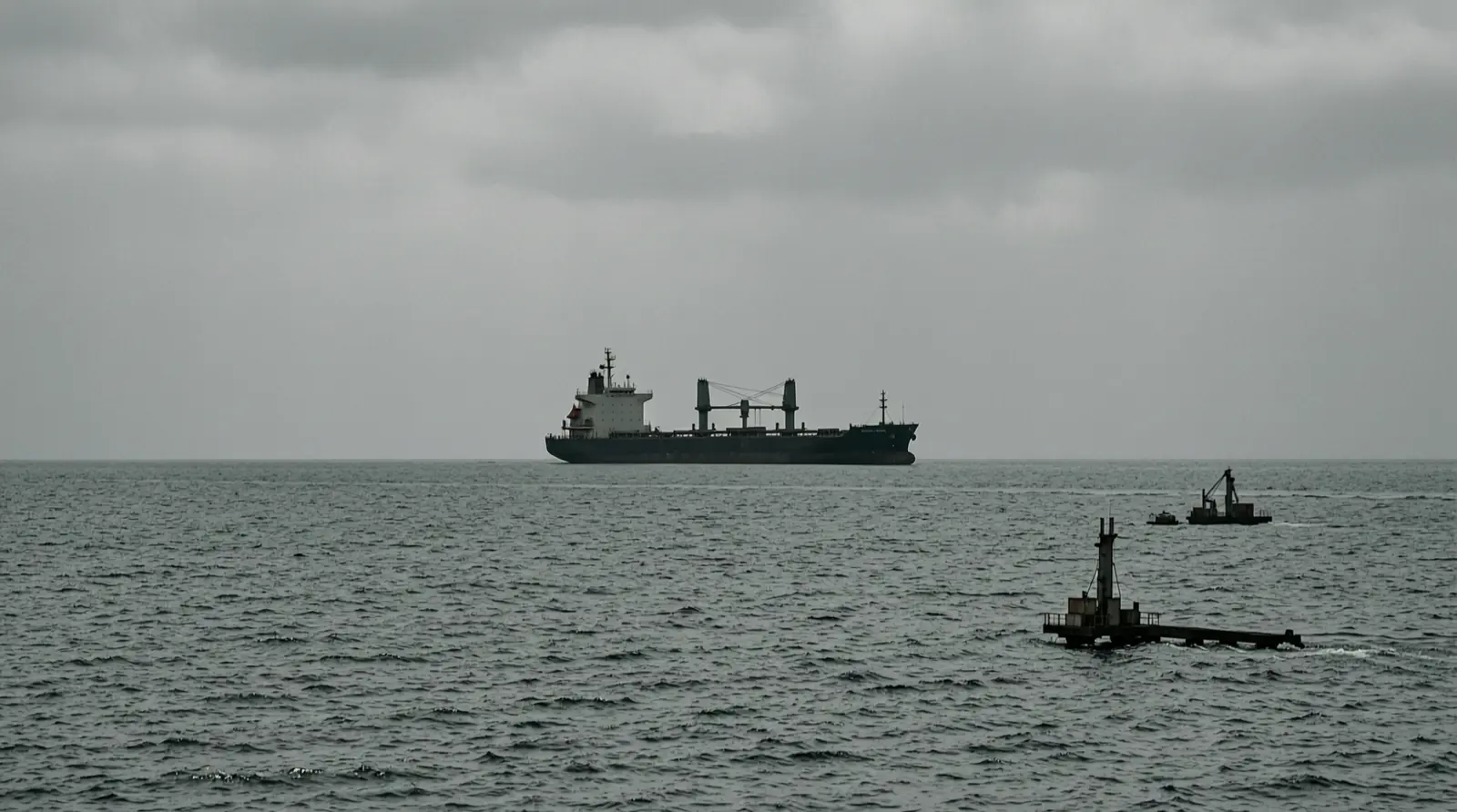
Insurers and grain traders price Black Sea risk from ship movements and attacks on hulls, so the gap between a diplomatic opening and an unexplained casualty figure matters to them.
Odile MarchettiCentral banks, rates and sovereign debtC 6 6 claims
Parliamentary talk of leaving the nuclear treaty is running alongside Washington's outreach, and the gap between those two tracks decides how Gulf energy risk should be read.
Odile MarchettiCentral banks, rates and sovereign debtA 1 C 5 6 claims
If the UN figure proves current, the cost of this fighting is falling on households rather than the armies that started it, which is why the date matters.
Odile MarchettiCentral banks, rates and sovereign debtC 5 5 claims
Early turnout and a reported Democratic lead will shape how markets read the midterms, and an Alaska ballot quirk becomes a federal matter only if the reports hold up.
Odile MarchettiCentral banks, rates and sovereign debtC 7 7 claims
If the Revolutionary Guard's mine account holds, Gulf shipping risk moves from threat to physical damage, and the people who price that risk will move first.
Odile MarchettiCentral banks, rates and sovereign debtB 1 C 4 5 claims
A list of Senate races and a set of street protests are being tied together by one pressure, and the tie matters to anyone pricing fiscal and political risk in several markets at once.
Odile MarchettiCentral banks, rates and sovereign debtB 1 C 4 5 claims
Pressure on a newspaper, a constitutional court and a war crimes tribunal would matter for capital only if it is one trend and not three separate fights.
Odile MarchettiCentral banks, rates and sovereign debtC 6 6 claims
Partners are building trade links that bypass Washington, but the bond market on 29 October showed no sign of alarm, so the question for global portfolios is whether this becomes a reallocation or stays a set of hedges.
Odile MarchettiCentral banks, rates and sovereign debtA 3 B 1 C 3 7 claims
A convoy, an evacuation and an arms approval have landed together, and each is thinner than the headline suggests, which matters to anyone sizing Western support for Kyiv.
Odile MarchettiCentral banks, rates and sovereign debtB 1 C 4 5 claims
Unnamed surveys, a disputed rally reversal and a conditional California redistricting forecast could move the House expectations that markets price three days before the vote.
Odile MarchettiCentral banks, rates and sovereign debtC 7 7 claims
Long-dated US yields fell while volatility stayed calm, which suggests the rate market is not pricing a tech shock, and that matters for the euro-area assumptions the ECB will read this week.
Odile MarchettiCentral banks, rates and sovereign debtA 3 B 2 C 1 6 claims
With no bloc at 61 seats, whether Arab parties can enter a government will shape Israeli policy risk, and the accusations against them could decide that question before any negotiation begins.
Odile MarchettiCentral banks, rates and sovereign debtC 5 5 claims
If Iran's halts on unauthorised routes persist, shipping delay and insurance costs could undercut the diplomacy that energy markets are currently pricing in.
Odile MarchettiCentral banks, rates and sovereign debtC 5 5 claims
Displacement in the West Bank and Gaza is being reported in the same breath, and how much weight that pairing deserves determines how regional risk should be priced.
Odile MarchettiCentral banks, rates and sovereign debtC 6 6 claims
Political alarm and Yemen fire are rising, but the bond and volatility numbers have not moved to match, and that gap decides whether this is a shock or a story.
Odile MarchettiCentral banks, rates and sovereign debtA 3 C 4 7 claims
Two sporting decisions in one week suggest that governing bodies are now pricing political risk, and that matters for media rights, host budgets and sponsors.
Odile MarchettiCentral banks, rates and sovereign debtC 6 6 claims
A six-day pause at a besieged town and a suspended satellite link together raise the question of how long Ukraine can fight on terms set in Washington.
Odile MarchettiCentral banks, rates and sovereign debtC 6 6 claims
Three separate pressure points on UK policy toward Israel are each being reported through a single channel, which matters to anyone pricing sanctions and trade exposure.
Odile MarchettiCentral banks, rates and sovereign debtC 5 5 claims
If the reported 170 billion yuan of state buying is accurate, it shows how far Beijing will defend equity prices, and Hong Kong's summit next week is being read as a second test of the same confidence.
Odile MarchettiCentral banks, rates and sovereign debtC 5 5 claims
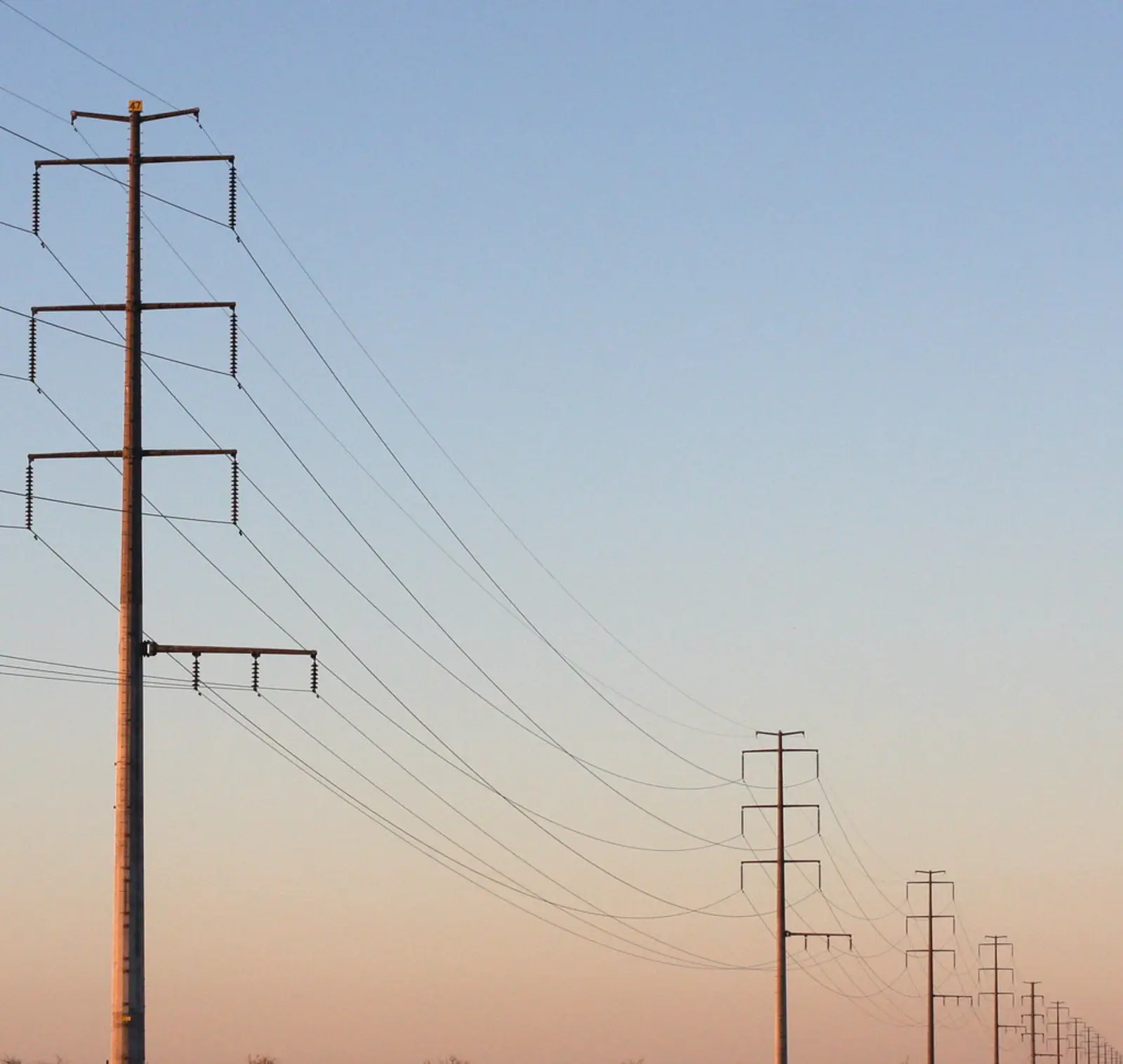
Data-centre demand is becoming a pricing question for grid operators and regulators, and any valuation of AI firms that leaves it out is working from an incomplete ledger.
Odile MarchettiCentral banks, rates and sovereign debtA 2 C 5 7 claims
A fixed selling schedule for a large domestic equity overhang matters to anyone pricing Japanese stocks or the yen curve, but the documents behind it can be read two ways.
Odile MarchettiCentral banks, rates and sovereign debtA 3 B 4 7 claims
A US$513 million sale and a growing stock of bank-owned flats could mean forced supply in both markets, but the link between them is still a hypothesis.
Odile MarchettiCentral banks, rates and sovereign debtC 6 6 claims
Consumers are paying more at the pump and at sea, battery makers may gain, and Treasuries are not pricing relief, which matters for anyone positioned across all three.
Odile MarchettiCentral banks, rates and sovereign debtA 2 C 3 5 claims
Hong Kong is pitching itself as a hub for dispute resolution and sustainable finance, and firms with Hong Kong exposure should know how much of that pitch is yet backed by named members, caseloads or rules.
Odile MarchettiCentral banks, rates and sovereign debtB 1 C 5 6 claims
Investors pricing Israeli assets and regional risk should care because coalition arithmetic now depends on parties that the Jewish blocs publicly reject.
Odile MarchettiCentral banks, rates and sovereign debtC 6 6 claims
An interference allegation that nobody has tied to a named speaker could still shape how a deadlocked Israeli campaign treats the Gulf, which is why investors with regional exposure should track whether it gains a sponsor.
Odile MarchettiCentral banks, rates and sovereign debtC 6 6 claims
The front end of the Treasury curve is pricing a path the stated policy rate does not yet show, and central banks are debating capital headroom and settlement plumbing in the same week.
Odile MarchettiCentral banks, rates and sovereign debtA 4 B 3 7 claims
Whether megadonor and owner money can steer midterm policy matters for sector and regulatory risk, and the reporting so far does not show the steering.
Odile MarchettiCentral banks, rates and sovereign debtC 6 6 claims
A Pentagon cost figure and a contested claim about voters put the war into the same five days before the midterms, and the reader needs to know which parts are sourced and which are only asserted.
Odile MarchettiCentral banks, rates and sovereign debtB 1 C 5 6 claims
Three separate items landed on 29 October, and the question for clearing houses is whether a consultation becomes a rule before the ECB's leadership changes.
Odile MarchettiCentral banks, rates and sovereign debtB 3 C 1 4 claims
The rising count and a preliminary cause will decide where liability falls for operators, maintenance contractors and the firms that supply Spanish rail signalling.
Odile MarchettiCentral banks, rates and sovereign debtC 6 6 claims
Federal pressure over alleged ballot schemes is becoming a legal test of who runs American elections, and so far the evidence is procedural rather than proven.
Odile MarchettiCentral banks, rates and sovereign debtC 5 5 claims
A 2.8% share of household wealth matters to anyone pricing European housing, consumer or policy risk, but the Serbian case is a weaker proof than it looks.
Samuel AdeyemiPrivate markets and family capitalC 6 6 claims
Investors exposed to Israel and the region face legal and reputational questions, but the evidence so far is one undated video and one filed complaint.
Odile MarchettiCentral banks, rates and sovereign debtC 6 6 claims
A rival's self-declared presidency, announced from Florida, could keep a political premium on Brazilian assets after the Lula result is already priced, yet US markets on 27 October gave no sign of it.
Odile MarchettiCentral banks, rates and sovereign debtA 3 C 4 7 claims
Revenue growth at a Chinese robotics maker is arriving beside a brokerage's question about whether AI erodes the demand it was built to serve, and that tension bears directly on how the AI trade is priced.
Odile MarchettiCentral banks, rates and sovereign debtA 2 C 4 6 claims
Moscow is pitching itself against former colonial powers at a summit, and investors who track African commodity access and great-power competition need to know how much of that pitch is rhetoric and how much is record.
Odile MarchettiCentral banks, rates and sovereign debtC 6 6 claims
A G7 central bank tightening on energy-led inflation lands days before the Fed and BOJ decisions, so the cost of money is being reset in several places at once.
Odile MarchettiCentral banks, rates and sovereign debtA 2 C 5 7 claims
Investors holding reais and Brazilian equities need to know whether a one-day collapse marks a country-wide repricing of political and fiscal risk or a figure that will later be corrected.
Odile MarchettiCentral banks, rates and sovereign debtB 1 C 4 5 claims
Whether Israel's parties break their long-standing refusal to govern with Arab parties, or send voters back to the polls, will shape fiscal and security policy and how investors price regional risk.
Odile MarchettiCentral banks, rates and sovereign debtB 1 C 4 5 claims
If a Gulf supply disruption is real and oil still falls, either the market is pricing it cheaply or it has not heard of it, and allocators should want to know which.
Odile MarchettiCentral banks, rates and sovereign debtA 2 C 4 6 claims
Frontier-market holders should separate a possible leadership change from a currency crisis, because the reporting so far establishes only one of them.
Odile MarchettiCentral banks, rates and sovereign debtC 4 4 claims
Higher-risk borrowers pay for every whisper about sovereign risk, so it matters whether two thin headlines can move a funding market that is, for now, calm.
Odile MarchettiCentral banks, rates and sovereign debtA 5 C 2 7 claims
Brazil's election is being priced against a 5% US benchmark, but the two stories that make it political rest on reach figures and a single denial, and investors should know which is which.
Odile MarchettiCentral banks, rates and sovereign debtA 2 C 5 7 claims
If the euro's risk premium is repricing on French fiscal politics, the signal should show up well beyond one day's headlines, and right now it does not.
Odile MarchettiCentral banks, rates and sovereign debtA 2 C 4 6 claims
Investors allocating to emerging-market sovereign debt need to know whether a shared rise in borrowing costs exists or whether three separate national stories are being read as one.
Odile MarchettiCentral banks, rates and sovereign debtA 2 C 5 7 claims
A remark, a withdrawal and an apology are being reported as one sequence, and readers who price sponsorship risk should know which link is documented and which is inferred.
Odile MarchettiCentral banks, rates and sovereign debtC 5 5 claims
A sideline conversation between Gulf and Iranian leaders could hint at hedging over gas and Hormuz exposure, but only if more than one party confirms what was said.
Odile MarchettiCentral banks, rates and sovereign debtA 2 C 4 6 claims
Policymakers in four venues are putting geopolitics and currency opening on their agendas, and those agendas matter for how markets price rate and capital-flow risk.
Odile MarchettiCentral banks, rates and sovereign debtA 2 C 4 6 claims
A localised pause brokered amid rival claims to credit tests whether US-led diplomacy can move the war, which matters for European energy and defence exposure.
Samuel AdeyemiPrivate markets and family capitalC 6 6 claims
A cross-border strike, a church attack and a Tehran meeting are being joined into one story, but the evidence so far is a set of competing statements, and anyone pricing regional risk needs to know which parts are established.
Odile MarchettiCentral banks, rates and sovereign debtC 5 5 claims
Whether political risk is crossing borders depends on links the evidence has not yet shown, and readers allocating capital should know which links are missing.
Odile MarchettiCentral banks, rates and sovereign debtC 5 5 claims
If the wealth at the top and the slump in consumer goods come from one shrinking domestic demand base, allocators need to price that differently from two separate trends.
Samuel AdeyemiPrivate markets and family capitalC 7 7 claims
Two measures aimed at different sectors are being read as one China-versus-the-West contest, and the difference matters for anyone holding Chinese consumer or auto exposure.
Samuel AdeyemiPrivate markets and family capitalC 6 6 claims
French borrowers feel the rate cycle first, so it matters whether the reporting that ties their loans to US yields and energy inflation can actually show the chain.
Odile MarchettiCentral banks, rates and sovereign debtA 1 C 4 5 claims
A public filing is the first chance for investors to test AI spending against revenue, and it arrives as Beijing signals a response to automation's labour impact.
Odile MarchettiCentral banks, rates and sovereign debtC 6 6 claims
Investors reading the rupee, hryvnia and Egyptian pound headlines need to separate dollar-driven outflows from routine quoting, and the numbers in hand do not yet do that.
Odile MarchettiCentral banks, rates and sovereign debtA 3 C 4 7 claims
Two pulled listings and a hotel sale that leaves a HK$1.8 billion shortfall test whether the city's capital-markets revival can withstand developer debt stress.
Odile MarchettiCentral banks, rates and sovereign debtC 7 7 claims
A sharp fall in Brazil's real would reprice a sovereign, but the figures in hand say nothing about Brazil, so the reader needs to know what is and is not established.
Odile MarchettiCentral banks, rates and sovereign debtA 2 C 3 5 claims
Eight days before 3 November, a Senate campaign is testing whether US weapons transfers to Israel can become a vote-moving issue, and the case for it rests on unsourced statements.
Odile MarchettiCentral banks, rates and sovereign debtC 5 5 claims
If Algiers is sending troops south to protect shared energy interests, supply risk across the Sahel has changed; if the story is wrong about who asked, the risk picture has not moved at all.
Odile MarchettiCentral banks, rates and sovereign debtC 7 7 claims
Formal legal language from a UN body can reprice sanctions, procurement and reputational exposure, but only if the wording survives contact with the primary document.
Odile MarchettiCentral banks, rates and sovereign debtB 1 C 4 5 claims
Each item in this week's Gulf news is thin on its own, but together they test whether the Iran-linked standoff is pulling more states into the Yemen front and whether risk is being repriced.
Odile MarchettiCentral banks, rates and sovereign debtC 7 7 claims
Holders of offshore assets and investors in China's health-sector stocks both need the filings behind these headlines, because the reporting does not yet show that the two stories are linked.
Noor HaddadDigital assets, custody and settlementC 5 5 claims
Investors pricing Israeli political risk need to separate who wins the vote from what is already happening on the ground, and the reporting so far does not do that separation.
Odile MarchettiCentral banks, rates and sovereign debtC 5 5 claims
Dollar positioning depends on whether the Fed's independence and its rate path are being tested, or only discussed, and the evidence so far points one way.
Odile MarchettiCentral banks, rates and sovereign debtA 4 C 3 7 claims
A Hong Kong approval for trading tokenised funds and a proposed US outbound investment limit could change how Chinese biotech capital and licences cross the border, but the material supports neither outcome yet.
Noor HaddadDigital assets, custody and settlementA 1 C 4 5 claims
If a metals selloff is coinciding with a firmer yuan and yen, safe-haven money is moving, but every figure behind that picture so far comes from secondhand reports.
Odile MarchettiCentral banks, rates and sovereign debtC 5 5 claims
If a 5% French 10-year yield is confirmed, borrowing costs would be pricing fiscal risk that a rating decision alone does not settle, which matters for euro-area spreads and anyone holding French paper.
Odile MarchettiCentral banks, rates and sovereign debtB 2 C 4 6 claims
Brazilian assets are pricing a president's re-election, and the open questions are how wide the win was and whether the annulment call becomes a legal filing.
Odile MarchettiCentral banks, rates and sovereign debtC 7 7 claims
Two separate reports from one outlet on one day point toward a pattern of force and displacement in the West Bank, but the material so far does not yet connect them.
Odile MarchettiCentral banks, rates and sovereign debtB 1 C 4 5 claims
If a sanctioned state looks to digital assets for relief while Europe's energy bills rise, the plumbing question is who would settle those trades, and at what price.
Noor HaddadDigital assets, custody and settlementC 5 5 claims
Investors must decide whether fiscal stress and central-bank policy are beginning to move together, or whether the loudest warnings outrun the price signals.
Odile MarchettiCentral banks, rates and sovereign debtA 2 B 5 C 1 8 claims
Simultaneous rallies, deployments and a Serbian election with a serious rival could widen political-risk premia across European and frontier exposures.
Samuel AdeyemiPrivate markets and family capitalC 8 8 claims
The release and talk of resumed talks may trim the near-term risk premium on Ukraine-exposed assets, but the evidence is mostly sequencing, not substance.
Odile MarchettiCentral banks, rates and sovereign debtC 5 5 claims
An SCMP report says Goldman Sachs and Citi see stabilising signs, with 2027 framed as a possible turning point, but a Tseung Kwan O project's 2028 presale window shows the recovery may be slow and selective.
Odile MarchettiCentral banks, rates and sovereign debtA 2 B 3 C 3 8 claims
If the Bank of Japan tightens in December, global rate pressure rises, but the current hawkish narrative leans on speeches, commentary and a single yield snapshot.
Odile MarchettiCentral banks, rates and sovereign debtA 1 B 2 C 5 8 claims
Faster Japanese normalization could touch yen carry, domestic credit and global duration, but the evidence points to a pace dispute rather than a sudden credit event.
Odile MarchettiCentral banks, rates and sovereign debtB 2 C 4 6 claims
A reported drone campaign against Russian oil facilities and US political support for sanctions relief could tighten energy markets and complicate Kyiv’s financing channels.
Odile MarchettiCentral banks, rates and sovereign debtA 1 C 7 8 claims
Multilateral language on AI and debt stress now has to be tested against a bond market pricing a steep curve and an unusually calm equity volatility gauge.
Odile MarchettiCentral banks, rates and sovereign debtA 4 C 4 8 claims
A calm equity volatility gauge and a high 10-year yield make this earnings week a test of whether AI agents become productive assets or operational overhead.
Noor HaddadDigital assets, custody and settlementA 2 C 6 8 claims
A small decline in U.S. Treasury yields helped European stocks absorb tech weakness, but Draghi's inflation-first remarks and U.S. debt warning leave the easing story unsettled.
Odile MarchettiCentral banks, rates and sovereign debtA 1 C 5 6 claims
A PPI print described as much higher than expected sits alongside a split in short and long yields, leaving investors to judge whether haven demand or foreign selling is driving US duration.
Odile MarchettiCentral banks, rates and sovereign debtA 2 C 6 8 claims
An IMF projection that India becomes the fourth-largest economy in 2027 must be weighed against a 5.21% U.S. Treasury yield and deposit growth with a foreign-currency asterisk.
Odile MarchettiCentral banks, rates and sovereign debtA 1 B 1 C 4 6 claims
Three reported fragments from property, wealth products and equities are being read as Hong Kong stress, but each lacks the context needed to judge capital flows.
Odile MarchettiCentral banks, rates and sovereign debtA 1 C 7 8 claims
Domestic legal conflict, West Bank violence and a reported Colombia-Israel realignment could alter Israeli risk premia and regional investment relationships.
Odile MarchettiCentral banks, rates and sovereign debtC 8 8 claims
A Bank of America enforcement account and central-bank talks arrive while high Treasury yields and a firm dollar raise the cost of cross-border dollar funding.
Odile MarchettiCentral banks, rates and sovereign debtA 4 C 4 8 claims
One email each morning: what we published, how much of it is established, and what is contested today with
what would settle it. Free. We ask you to confirm by email first.
Read everything for 14 days, free
All three titles in full, the full daily brief, and an alert when a claim about something you follow changes.
No card, and it ends by itself.

 Odile MarchettiCentral banks, rates and sovereign debt