
Egypt's debt and Houthi risk test Saudi energy-cushion story
A heavy external debt bill and Yemen speculation could complicate Gulf support, even if markets remain calm.
 Odile MarchettiCentral banks, rates and sovereign debt
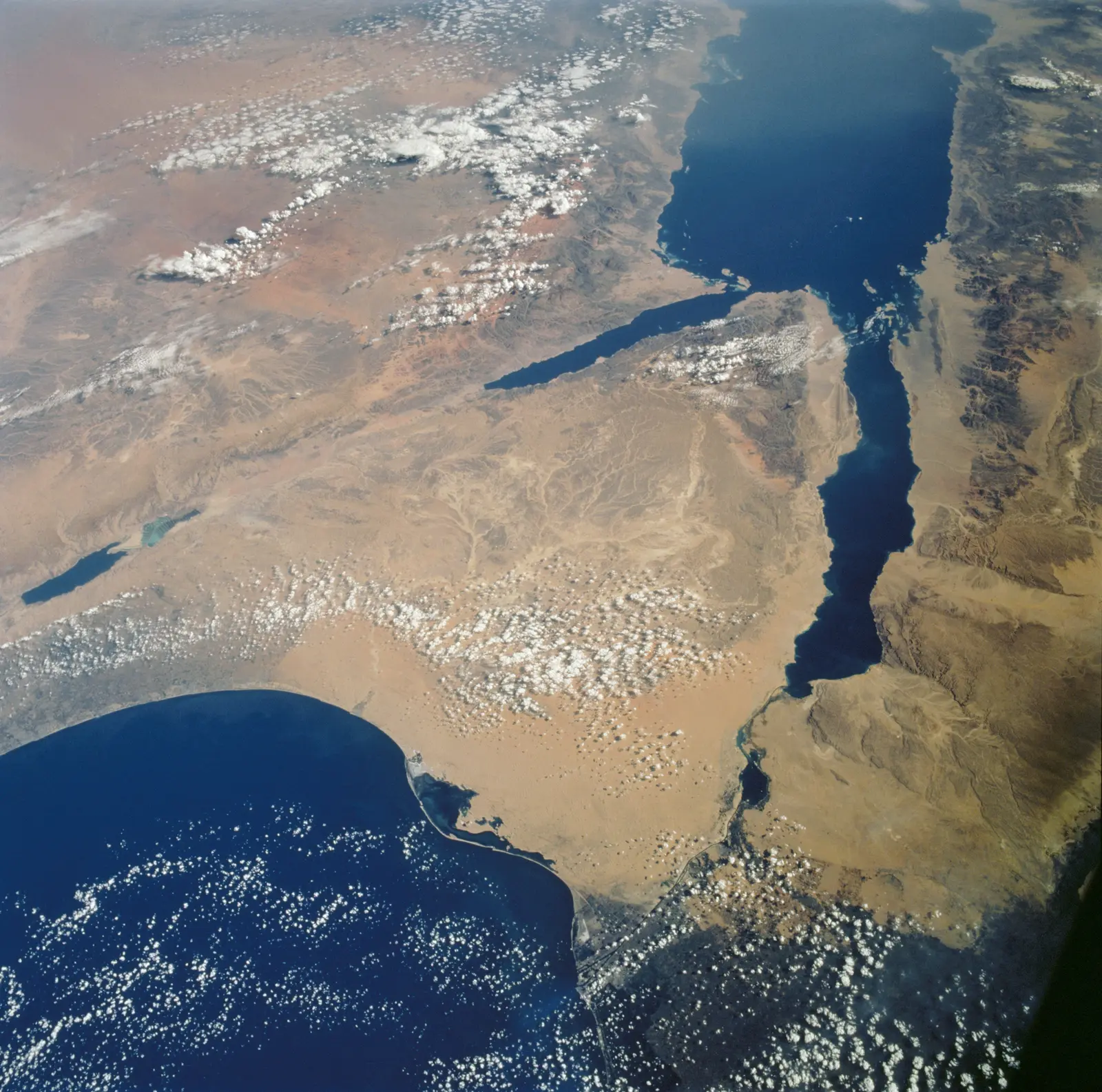
Egypt's external debt rose to $166.45 billion at the end of June, the World Bank reported, while Al Jazeera reported that analysts assessed what help Egypt can offer Saudi Arabia against the Houthis. Saudi Arabia's finance minister has said Saudi energy investments help cushion the global economy from shocks. The VIX closed at 16.46 on 15 October, while the US 10-year Treasury yield was 5.10%.
On 15 October 2026, the CBOE VIX closed at 16.46. The US 10-year Treasury yield was 5.10% on the same day, and the broad US dollar index stood at 121.6023 on 9 October 2026. Those three numbers sit beside a slower-moving Middle East story: Egypt's external debt, reported by the World Bank at $166.45 billion at the end of June, and speculation about Cairo's role if Yemen's conflict draws in Gulf security.
The market figures do not point to a regional shock. The debt figure does point to a financing burden that can make Gulf support more consequential. The question is whether a Saudi narrative about energy investment cushioning the global economy can survive a wider Yemen war and a larger Egyptian claim on Gulf balance sheets.
A debt bill that travels with every shock
The World Bank reported that Egypt's external debt rose to $166.45 billion at the end of June. External debt is not just a number on a sovereign dashboard. It must be serviced, refinanced and often defended with foreign reserves. When the broad dollar index is high, as it was at 121.6023 on 9 October 2026, dollar-linked liabilities become harder to carry for borrowers whose revenues are not similarly indexed. A 5.10% US 10-year yield raises the global discount rate at which such refinancing is judged.
The market data does not yet price a Yemen war, but it also does not insure against one.
Saudi Arabia's finance minister said Saudi energy investments helped cushion the global economy from shocks. That argument works through supply, investment and confidence: if Saudi capital and production capacity can absorb or offset disruptions, oil markets and allied credit risks may stay calmer. But a cushion is only as strong as the shocks it must absorb. If Egypt's financing needs grow while Yemen intensifies, Gulf resources could be pulled between external support, domestic investment and security spending.
Yemen speculation meets a defensive caveat
Al Jazeera reported that analysts assessed what help Egypt can offer Saudi Arabia in the war against the Houthis. It also reported that the conflict in Yemen is intensifying. That is not the same as an Egyptian deployment, a treaty obligation, or a statement from Cairo or Riyadh, and the distinction matters.
Analysts said any Egyptian move would remain strictly defensive. That caveat undercuts the simpler framing of Egypt joining a war against the Houthis. Defensive posturing can still affect shipping, air defence, logistics and diplomatic risk, but it does not automatically turn a fiscal story into a military escalation. The strongest version of the concern is therefore conditional: if Egypt's debt pressures coincide with a wider Yemen conflict, Gulf backers may face competing claims on their balance sheets. The weak version strings together unrelated facts and assumes a single escalation path.
Markets are pricing macro, not a regional war
The VIX close of 16.46 is not a panic reading. It suggests that equity options markets are not demanding an urgent hedge against imminent turmoil. The US 10-year yield and dollar index can move for many reasons, including Federal Reserve policy, US fiscal dynamics and global dollar demand, without Yemen entering the calculation.
The market data does not yet price a Yemen war, but it also does not insure against one. What would change the picture is not another analyst assessment. It would be official Egyptian or Saudi statements, confirmed deployments, treaty changes, or a security incident that visibly alters energy flows and financing terms. Until then, the open question is whether Gulf balance sheets can carry both Egypt's debt burden and a wider Yemen security role without asking energy markets to pay for the difference.
- 01The CBOE VIX closed at 16.46 on 15 October 2026.
- 02The US 10-year Treasury yield was 5.10% on 15 October 2026.
- 03The broad US dollar index was 121.6023 on 9 October 2026.
- 04The World Bank reported Egypt's external debt rose to $166.45 billion at the end of June.
- 05Al Jazeera reported analysts assessed possible Egyptian help for Saudi Arabia against the Houthis.
Interpretation, not reporting. The facts above carry their tiers; this is one correspondent’s reading of them.
The fragile part of this story is not the VIX; it is the chain of assumptions linking Cairo's debt to Riyadh's energy buffer. Egypt's $166.45 billion external debt is a fiscal burden that makes Gulf support more valuable, but the reporting stops at analysts assessing possible help and saying any move would be strictly defensive. Saudi Arabia's finance minister is selling energy investment as a global cushion, and the 15 October VIX close of 16.46 suggests investors are not rushing to hedge a regional war. I would not turn that calm into confidence. If an official Egyptian deployment, a treaty language change, or a confirmed escalation in Yemen appeared alongside tighter Gulf financing, I would change my view. Until then, the stronger reading is that macro rates and dollar strength are doing more of the market's work than Yemen.
— Odile Marchetti
Every claim in this article, and what it rests on
We do not ask you to take our word for it. Each statement below carries its tier and its sources. Where sources disagree, you get both accounts and what would settle it.
The CBOE VIX close was 16.46 on 15 October 2026.
The US 10-year Treasury yield was 5.10% on 15 October 2026.
The broad US dollar index was 121.6023 on 9 October 2026.
Al Jazeera reported that analysts assessed what help Egypt can offer Saudi Arabia in the war against the Houthis.
Al Jazeera reported that the conflict in Yemen is intensifying.
The World Bank reported that Egypt’s external debt rose to $166.45 billion at the end of June.
Saudi Arabia’s finance minister said Saudi energy investments helped cushion the global economy from shocks.
Analysts said any Egyptian move would remain strictly defensive.
The case against this story
Written by an adversarial reviewer, not the correspondent
The story strings together loosely related facts to imply a coherent escalation narrative that the evidence does not support. Egypt's $166.45 billion external debt is a chronic fiscal issue with no demonstrated link to Yemen. The Saudi finance minister's comments about energy investments cushioning the global economy are about macroeconomic stability, not war coordination. The Al Jazeera reports rely on unnamed analysts speculating about hypothetical Egyptian involvement—not confirmed deployments, treaties, or even government statements. The claim that any Egyptian move would be 'strictly defensive' directly contradicts the framing of Egypt joining a 'war against the Houthis.' Meanwhile, the market data undercuts the alarmism: a VIX of 16.46 signals market calm, not panic. A 5.10% Treasury yield and a dollar index above 121 could reflect Federal Reserve policy, US fiscal deterioration, or dozens of factors entirely unrelated to Yemen or Egypt-Saudi relations. The story assembles these disparate data points into a narrative of regional conflagration that no single piece of evidence actually establishes.
Who benefits from this framing: Saudi Arabia benefits from a narrative that its energy investments are globally indispensable and that it has regional allies lining up for military cooperation. Egypt's government benefits from shifting attention away from its $166.45 billion debt toward a story of defensive regional responsibility. Defense contractors and oil-market speculators benefit from any framing that amplifies Middle East escalation fears. Al Jazeera benefits from conflict-driven viewership. And security hawks in both Cairo and Riyadh benefit from public pressure to expand military budgets and justify external operations.
Report an error in this article
Subscriptions open at launch
Global Wealth Review will be a paid publication. Reading is free while we build the archive — leave an address and we will write to you once, when subscriptions open.