
Europe is stacking security risks, but the VIX stays calm
Defence planning, tanker seizures and Iran tensions can still feed budgets, shipping routes and energy chains even when volatility is low.
 Odile MarchettiCentral banks, rates and sovereign debt
The VIX at 15.21 suggests markets are not pricing a European crisis, even as NATO planning, a tanker seizure and UK-Iran tensions raise security risks. The market impact is more likely to arrive through defence budgets, shipping insurance and energy logistics than through a sudden volatility spike.
The VIX was 15.21 on 12 October. That is not a market bracing for a sudden European war. It is a market willing to discount a series of security headlines, or at least to wait for them to become financial facts.
The week's security story is real, but it is not one event. It is several different kinds of risk moving at once: alliance planning against Russia, enforcement against shadow-fleet shipping, and an open confrontation between London and Tehran over alleged plots on British soil. Each can matter to investors. None yet adds up to a single shock.
Markets are not pricing a sudden war
NATO's top commander said he is revealing a plan to stop a Russian invasion of Europe. That language is stark, but alliance commanders regularly discuss posture, reinforcement and deterrence. The market question is whether such planning turns into new spending commitments, force deployments or procurement contracts, not whether generals are planning.
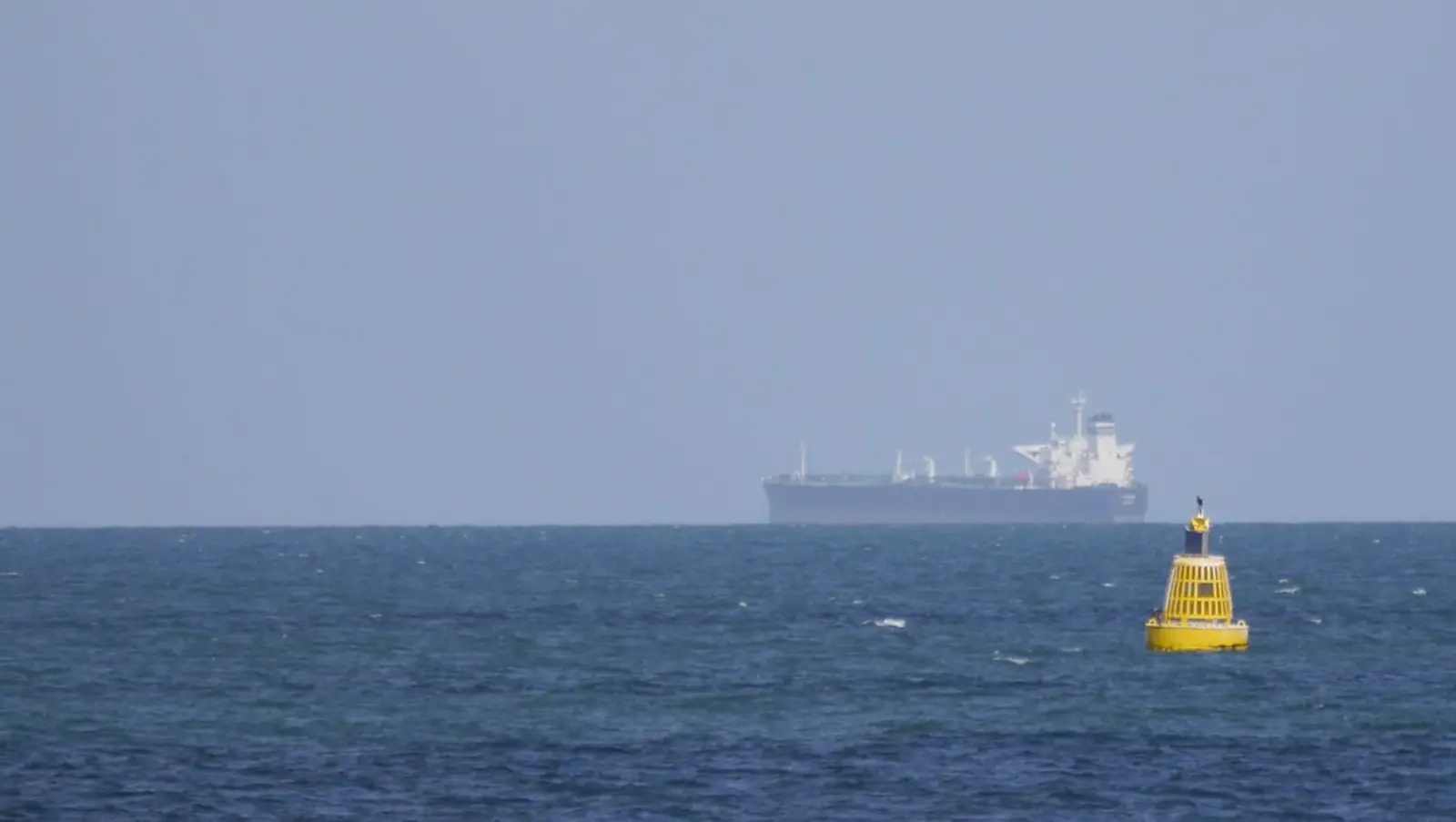
France seized a tanker suspected of belonging to Russia's shadow fleet. This is more concrete. A seizure is an operational act, not a speech. It can raise insurance costs, delay cargoes, complicate ship-to-ship transfers and push shadow-fleet operators toward longer routes or darker behaviour. But it is also a law-enforcement step, not automatically an escalation between states.
The UK blamed Iran's Islamic Revolutionary Guard Corps for a plot against an airbase in the UK. Iran responded by describing 'false flag' operations after the accusation. The MI5 chief said 50 arrests had been made in the past year to disrupt Iran-led operations. These are serious claims, and they point to a persistent counterintelligence campaign rather than a single dramatic break.
It only needs to make trade slower, more expensive and more litigious.
Shipping enforcement carries a real cost
The tanker seizure is the item most likely to show up in trade data before it shows up in defence budgets. Shadow-fleet vessels exist to move sanctioned or restricted crude with opaque ownership, ageing tonnage and non-standard insurance. When a state detains one, the immediate effect is legal and operational: the ship sits, the cargo is contested, and counterparties become more careful.
The second effect is route risk. If French or other European authorities are willing to interdict suspect tankers, operators may demand higher premiums, avoid certain anchorages or use more aggressive evasion tactics. That does not mean European energy supply is about to fail. It does mean the cost of moving Russian-linked barrels rises, and the risk of an accident or dispute rises with it.
This is where security becomes a market variable. It does not need to stop trade to matter. It only needs to make trade slower, more expensive and more litigious.
Defence budgets and alliance politics
The other strand is fiscal. Europe devoted a summit to funding Ukraine. That matters because Ukraine support has moved from emergency aid to a multi-year budgeting problem. It competes with national deficits, industrial policy and other spending priorities.
Trump called for Zelenskyy to be replaced. That is political rhetoric, not policy, but it matters because it signals uncertainty about the durability of US support. If European governments believe Washington may waver, they may need to fund more of Ukraine's defence themselves. That would pressure budgets and could accelerate European defence procurement.
The alleged Iranian plot against a UK airbase adds a different dimension. It is not directly linked to Ukraine funding or Russian shipping, but it raises the domestic security burden on a major European government. Counterintelligence, base protection and diplomatic retaliation all consume resources and political attention.
The strongest argument for calm is simple: markets have not confirmed the alarm. The VIX at 15.21 suggests equity investors are not paying much for protection. The items above are also heterogeneous. NATO planning is routine; tanker seizure is enforcement; UK-Iran tension is ongoing; summit funding is recurring.
But the strongest argument for attention is equally simple: these are optionality risks. They do not need to explode simultaneously to matter. A shipping incident, a funding gap or a failed deterrence signal could each reprice a sector quickly.
The open question is whether Europe's security apparatus is becoming a permanent budget item and a shipping-risk premium, or remains a sequence of contained incidents. The market is currently voting for containment.
- 01The VIX volatility index was 15.21 on 12 October.
- 02NATO's top commander said he is revealing a plan to stop a Russian invasion of Europe.
- 03France seized a tanker suspected of belonging to Russia's shadow fleet.
- 04The UK blamed Iran's IRGC for an airbase plot; MI5 cited 50 arrests in a year.
- 05Europe devoted a summit to funding Ukraine; Trump called for Zelenskyy to be replaced.
Interpretation, not reporting. The facts above carry their tiers; this is one correspondent’s reading of them.
The useful signal is the gap between political language and market pricing. I would not treat NATO planning, a tanker seizure and UK-Iran accusations as one escalation ladder. They are separate channels of risk: deterrence, maritime enforcement and counterintelligence. The VIX at 15.21 says investors do not yet see a common shock. That is sensible, but not complacent. Enforcement against shadow-fleet shipping can raise costs without making headlines look like war. Funding Ukraine can become a fiscal fight before it becomes a military crisis. And rhetoric around replacing Zelenskyy can alter expectations of support even if it never becomes policy. I would watch whether these strands start to share a budget line: more European defence spending, higher maritime insurance, and more diplomatic retaliation. If they remain separate, the market's calm may be right. If they converge, the low volatility will look like the cheap part of the cycle. My mind would change fastest if a seizure led to a broader interdiction regime.
— Odile Marchetti
Every claim in this article, and what it rests on
We do not ask you to take our word for it. Each statement below carries its tier and its sources. Where sources disagree, you get both accounts and what would settle it.
The VIX volatility index was 15.21 on 2026-10-12.
NATO's top commander said he is revealing a plan to stop a Russian invasion of Europe.
France seized a tanker suspected of belonging to Russia's shadow fleet.
The UK blamed Iran's IRGC for a plot against an airbase in the UK.
Iran said it sees 'false flag' operations after the UK blamed the IRGC for the airbase incident.
The MI5 chief said 50 arrests were made in the past year to disrupt Iran-led operations.
Trump called for Zelenskyy to be replaced.
Europe devoted a summit to funding Ukraine.
The case against this story
Written by an adversarial reviewer, not the correspondent
The story weaves together disparate events into a narrative of imminent geopolitical escalation, but several of these items are routine or mischaracterized. NATO commanders regularly discuss defense posture; framing this as 'revealing a plan to stop a Russian invasion' sensationalizes standard military planning. France seizing a tanker is a law-enforcement action, not a new front in a conflict. UK-Iran tensions and MI5 counterintelligence operations are ongoing, not unprecedented. Trump's statements about replacing Zelenskyy are political rhetoric, not policy. European summits on Ukraine funding are regular occurrences. Most tellingly, the VIX at 15.21 sits in the low range — markets are signaling calm, not crisis. A reader seeing all these items together might infer a world on the brink, but the financial data embedded in the story itself contradicts that framing.
Who benefits from this framing: Defense contractors and military procurement interests who profit from heightened threat perceptions; political hawks advocating confrontational policies toward Russia and Iran; media outlets that monetize alarm; and governments seeking domestic justification for increased security budgets, surveillance powers, or expanded foreign military commitments.
Report an error in this article
Subscriptions open at launch
Global Wealth Review will be a paid publication. Reading is free while we build the archive — leave an address and we will write to you once, when subscriptions open.