
France’s fires and arrests do not yet make one crisis
Street violence can become fiscal risk when it narrows a government’s budget options, but the evidence still looks fragmented.
 Odile MarchettiCentral banks, rates and sovereign debt
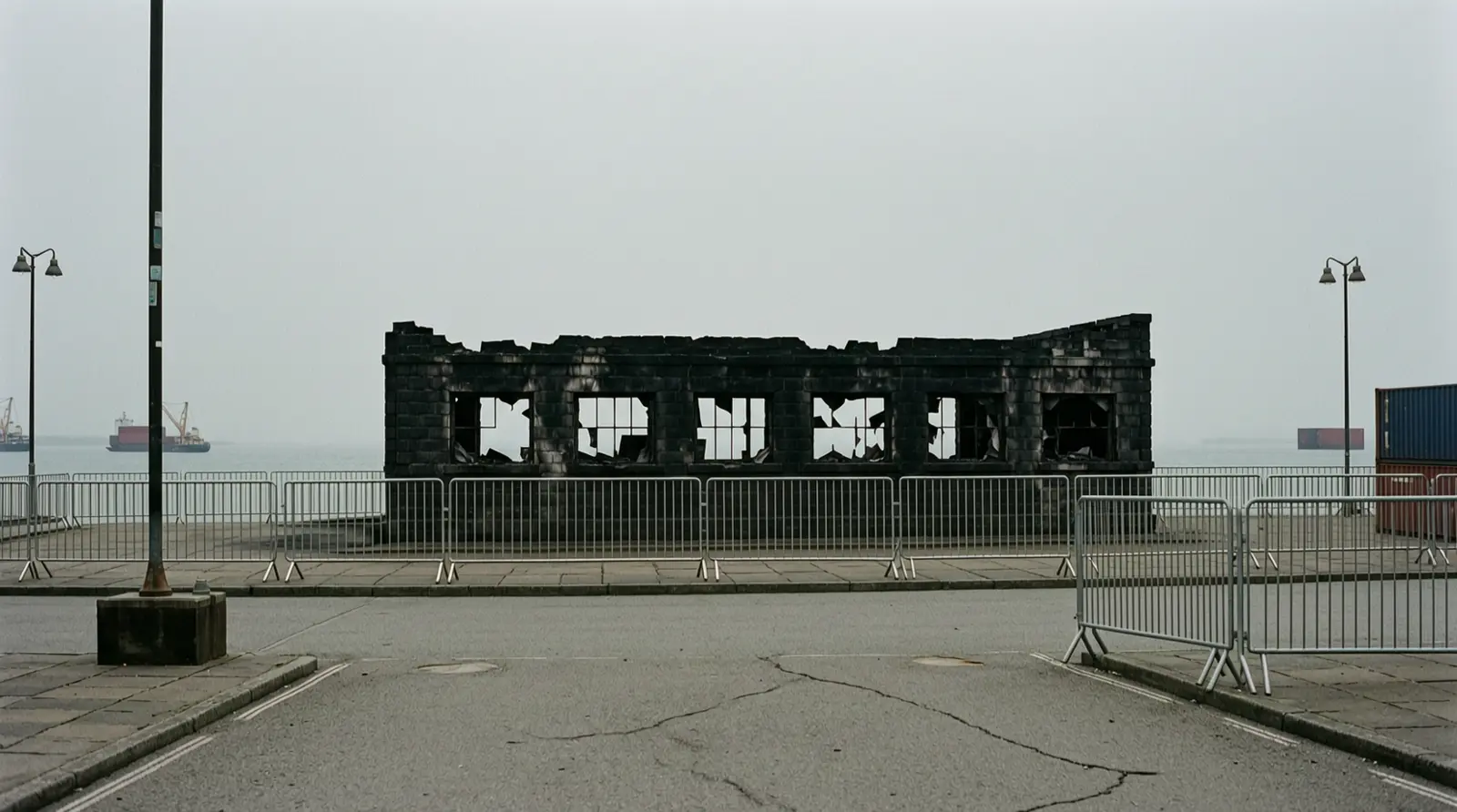
Authorities reported 1,200 arrests and 150 injured police officers as protests in Paris and other French cities turned violent. Masked protesters set fire to Limoges town hall, while Paris crowds focused on teacher shortages and public-service cuts. The VIX volatility index closed at 16.46 on 15 October, suggesting broad market volatility has not panicked.
1,200 arrests and 150 injured police officers give France’s latest unrest a hard number. They do not yet give it a single story. The available accounts describe tens of thousands of people rallying in Paris and other French cities, but the grievances listed are not identical, and the accounts do not establish that the same organisers or demonstrators connected them.
The Yellow Vest legacy is the obvious frame, and Al Jazeera and ZeroHedge both link the protests to it. That link is not settled. The accounts list teacher shortages, poor school facilities and cuts to public services, but they do not show a single organising structure. One can see how a government would fear a merger of those complaints. One cannot yet prove that merger from the available accounts.
In Paris, thousands protested education shortages and public-service cuts. The accounts say protesters demanded reforms, but they do not name a common bill, budget line or negotiating partner. That vagueness matters. A protest that asks for a policy reversal is a political problem; a protest that blocks a budget is a fiscal problem. The first can fade in a weekend. The second can change borrowing costs.
Limoges is the shock, not the proof
The most dramatic episode is also the most specific. Masked protesters set fire to the town hall in Limoges, and officials said the building was largely lost. That is a serious attack on state infrastructure, and it is the kind of image that travels faster than arrest statistics. But a single burning building does not, by itself, make a national crisis. It makes a violent incident whose relationship to the wider rallies remains unclear.
Authorities’ figures show scale, but not coherence. The 1,200 arrests and 150 injured police officers could span several cities and several days, or a shorter burst of confrontation; the figures do not say. That ambiguity is the difference between a manageable security challenge and a test of governability. Investors do not need perfect order to price risk. They need to know whether the state can pass and enforce its budget.
Markets have not priced panic
The financial backdrop is calmer than the street imagery. The VIX volatility index closed at 16.46 on 15 October. That is below 20, a level often treated as a threshold between routine volatility and panic. The index does not measure the likelihood that a town hall will burn. Its calm reading suggests that, at least on that date, volatility traders were not rushing to pay up for tail risk.
The channel to watch is fiscal. France already carries a budget and reform dispute; street-level conflict can narrow the government’s room to compromise, delay legislation or force concessions that worsen the fiscal path. A government forced to respond to simultaneous street pressure and budget negotiations may choose concessions that are expensive, delayed or both. That is the point where political risk becomes a debt question. If the protests remain fragmented, the risk premium may stay political. If they converge on the budget, the euro-area stability question becomes more than rhetoric.
The open question is not whether France can contain a violent night. It is whether the next set of figures comes with a common demand, a common organiser and a common target. Until then, the arrest count is real, the fire in Limoges is real, and the link between them is not.
- 01Tens of thousands rallied in Paris and other French cities.
- 02Masked protesters set fire to Limoges town hall, officials said.
- 03Authorities reported 1,200 arrests and 150 injured police officers.
- 04Paris protesters cited teacher shortages, poor school facilities and public-service cuts.
- 05The VIX volatility index closed at 16.46 on 15 October.
Interpretation, not reporting. The facts above carry their tiers; this is one correspondent’s reading of them.
The real risk in France is not one burning facade; it is the possibility that separate grievances become a single fiscal veto. The evidence so far points the other way. Paris crowds were focused on teacher shortages, poor school facilities and public-service cuts; Limoges was a violent attack on a building. Authorities reported 1,200 arrests and 150 injured police officers, but nothing yet shows a common command. The Yellow Vest label is attractive, and Al Jazeera and ZeroHedge use it, yet it may be doing retrospective work. The VIX at 16.46 on 15 October says broad volatility has not panicked. I would treat this as governance noise until it touches the budget process. What would change my mind is proof that the same organisers can mobilise across cities on a common fiscal demand, or evidence that the unrest delays or weakens reform legislation. Until then, the premium is political, not financial.
— Odile Marchetti
Every claim in this article, and what it rests on
We do not ask you to take our word for it. Each statement below carries its tier and its sources. Where sources disagree, you get both accounts and what would settle it.
The VIX volatility index closed at 16.46 on 2026-10-15.
The protests were fueled by the Yellow Vest legacy.
Tens of thousands of people rallied in Paris and other French cities.
Protesters demanded reforms.
In Paris, thousands protested teacher shortages, poor school facilities and cuts to public services.
The protests turned violent.
Masked protesters set fire to Limoges town hall, which officials said was largely lost.
Authorities reported 1,200 arrests and 150 injured police officers.
The case against this story
Written by an adversarial reviewer, not the correspondent
The story's picture of France in widespread violent crisis is constructed by aggregating potentially separate events and implying connections that may not exist. The claim about protesters demanding reforms is vague enough to cover almost any grievance. The claim about protests over teacher shortages, poor school facilities, and cuts to public services describes a specific sectoral education grievance, while the claim about Yellow Vest legacy implies a broad anti-government economic movement — these are different types of protest that the story merges into one narrative without evidence they were the same demonstrations, the same organizers, or even the same day. The claim that masked protesters set fire to Limoges town hall and that it was 'largely lost' is dramatic and specific, but if this is one isolated incident it cannot support a picture of nationwide violent unrest. The arrest and injury figures — 1,200 arrests and 150 injured police officers — are presented without specifying whether these span multiple days, multiple cities, or a single afternoon, or whether they all relate to the same protests described. The inclusion of a US market volatility index closing at 16.46 is particularly suspect: it has no obvious connection to French protests, and a reading below 20 indicates market calm, contradicting any implication that the unrest rattled financial markets. The story may be combining distinct, smaller events into a composite picture of national crisis that overstates the scale, coherence, and consequences of the unrest.
Who benefits from this framing: If a reader believes this framing, several actors benefit. French political opposition parties benefit from a portrayal of governmental failure to maintain order and public services. Anti-protest and law-enforcement voices benefit from the violence and arson claims, which can be used to discredit social movements and justify crackdowns. Foreign state actors who want to portray Western democracies as unstable benefit from amplified images of civil unrest. The inclusion of market data benefits those who want to link political protest to financial consequences, creating a narrative that social unrest threatens economic stability — a framing that serves both authoritarian-leaning voices and financial interests that prefer political quiescence. Finally, if the VIX figure is meant to imply markets were rattled when the data actually shows calm, those positioned to profit from perceived European instability benefit from a misleading impression of market reaction.
Report an error in this article
Subscriptions open at launch
Global Wealth Review will be a paid publication. Reading is free while we build the archive — leave an address and we will write to you once, when subscriptions open.