
Houthi attacks strain Yemen aid and fertiliser flows
A cutoff in Yemen food aid and a stalled Hormuz fertiliser plan raise food inflation and shipping risks.
 Odile MarchettiCentral banks, rates and sovereign debt
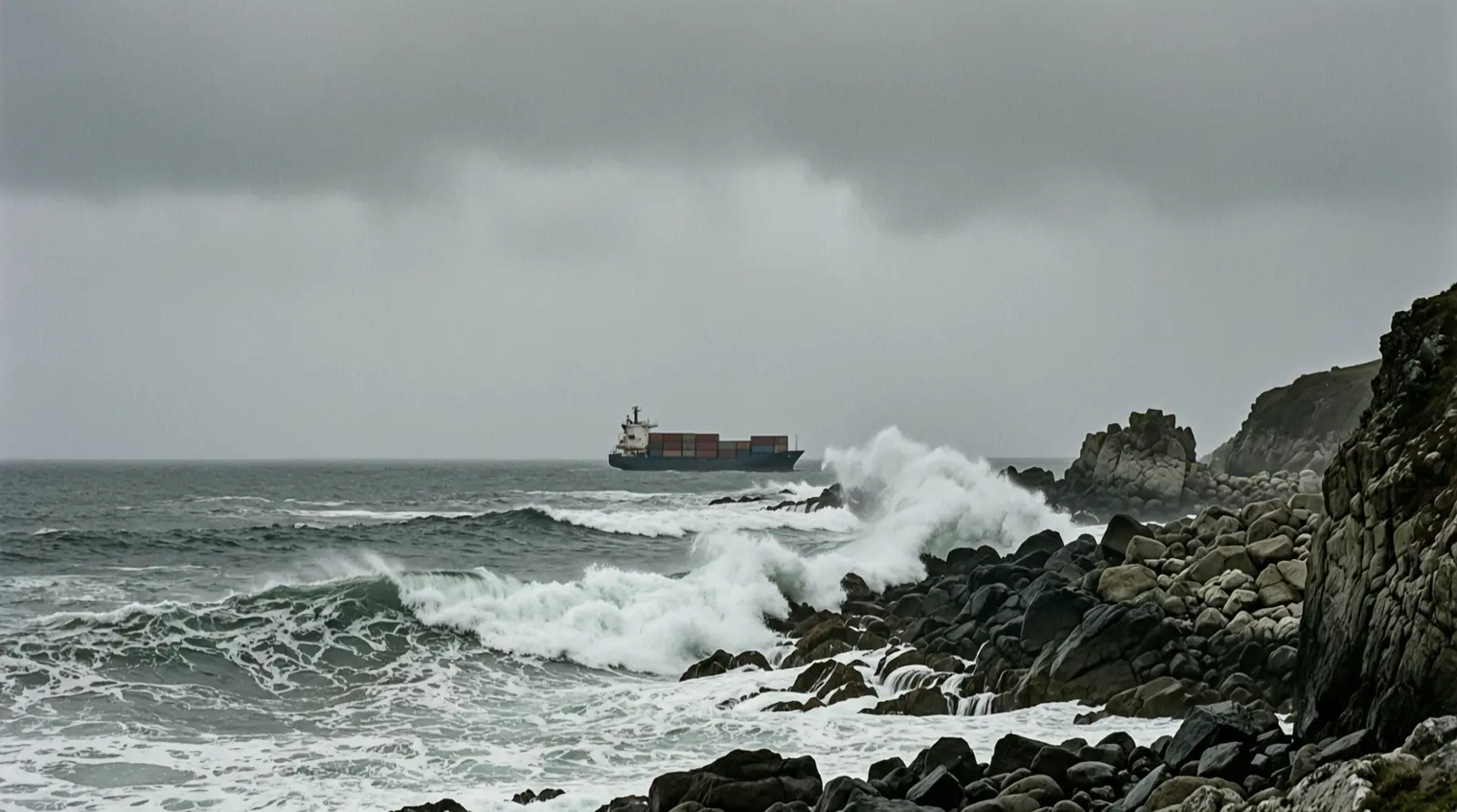
Aid groups say almost one million people in Yemen are cut off from food aid, while a UN official warns that a plan to move fertiliser through the Strait of Hormuz has stalled. The same Houthi attacks have coincided with three Saudi Pro League postponements, including a match involving Al Nassr. The key question is whether these are linked pressures or separate stresses moving at the same time.
Almost one million people in Yemen are cut off from food aid, according to aid groups, while a UN official warns that a plan to move fertiliser through the Strait of Hormuz has stalled. Those are two different clocks. One measures hunger now. The other measures harvests later.
The same security backdrop also reached civilian life in Saudi Arabia. The Saudi Pro League postponed three matches after Houthi attacks, including one involving Cristiano Ronaldo’s Al Nassr. That is a small detail, but it matters because it shows how quickly security risk can move from military targets to public schedules.
Aid is the first transmission channel
Aid groups warned that renewed fighting risks a humanitarian catastrophe in Yemen. They also said almost one million people are cut off from food aid. In a country that already depends heavily on imports and relief, that cutoff works through the fastest channel: households lose access to calories before any macroeconomic indicator does.
Yemen’s health infrastructure is described as overwhelmed by war-wounded. That compounds the aid problem. A health system under strain cannot absorb malnutrition, disease or displacement at the same time without creating a second round of mortality.
The public picture shows proximity, not yet a single causal chain.
Fertiliser is the slower, larger one
A UN official warned of a looming food crisis as the Hormuz fertiliser plan stalled, and said agricultural productivity would significantly drop without a quick deal to move fertiliser through the Strait of Hormuz.
The mechanism is simple. Fertiliser is bulky, time-sensitive and tied to planting cycles. If it cannot move through a chokepoint, the cost does not appear immediately as a headline; it appears later as lower yields, higher farm input costs and more expensive food. That is the difference between a shipping disruption and a food-system shock.
The Strait of Hormuz is already a sensitive corridor for energy flows, so any fertiliser bottleneck there also feeds a broader regional risk calculation. The question for markets is not only whether cargo moves, but whether insurers, shipowners and buyers start to assume a persistent security discount.
The causal chain is not yet proven
The strongest objection to the composite story is that the threads may be separate. The fertiliser plan could be stalled by commercial, regulatory or logistical disputes rather than by conflict alone. Yemen’s humanitarian suffering is long-standing, and the available warnings do not by themselves prove a new deterioration tied to this week’s events. The Saudi match postponements could also be precautionary rather than responses to confirmed attacks.
That caution matters. The public picture shows proximity, not yet a single causal chain. What is clear is that three pressure points are moving at once: immediate food aid, future agricultural productivity, and civilian events in a neighbouring Gulf state. What is not clear is whether each is being driven by the same escalation. A crude market gauge such as equity volatility may register the uncertainty before trade data does.
For investors and policymakers, that distinction changes the exposure. If the fertiliser stall is commercial, it may be solved by pricing, insurance or rerouting. If it is security-driven, the problem is duration. And if the Yemen aid cutoff is being caused by renewed fighting, the humanitarian risk is no longer a background condition but an active deterioration.
The thing to watch is whether the fertiliser plan gets a quick deal. That would show the Hormuz route can still function under pressure. If it does not, the story stops being about three separate stresses and starts being about a region where conflict is beginning to set the terms of trade.
- 01A UN official warned the Hormuz fertiliser plan had stalled.
- 02The official said agricultural productivity would drop without a quick deal.
- 03Aid groups said almost one million people in Yemen are cut off from food aid.
- 04The Saudi Pro League postponed three matches after Houthi attacks.
- 05One postponed match involved Cristiano Ronaldo’s Al Nassr.
Interpretation, not reporting. The facts above carry their tiers; this is one correspondent’s reading of them.
The market error would be to treat Yemen’s aid cutoff, the Hormuz fertiliser stall and the Saudi match postponements as one automatic cascade. I see three pressure points with a common security backdrop, not yet a single chain. The UN official’s warning matters because fertiliser timing drives agricultural productivity; aid groups’ figure of almost one million cut off from food aid matters because it turns conflict into immediate hunger. The football postponements are the weakest signal: they may be precautionary rather than proof of a new attack pattern. What would change my view is evidence that the fertiliser plan stopped because of Houthi attacks, that the aid cutoff is new and tied to the same escalation, and that postponements followed confirmed attacks rather than risk management. Until then, the cleaner read is that regional risk is widening in layers: humanitarian, agricultural and civilian. That does not make the danger smaller. It makes the transmission harder to price.
— Odile Marchetti
Every claim in this article, and what it rests on
We do not ask you to take our word for it. Each statement below carries its tier and its sources. Where sources disagree, you get both accounts and what would settle it.
A UN official warned of a looming food crisis as the Hormuz fertiliser plan stalled.
A plan to move fertiliser through the Strait of Hormuz has stalled.
The UN official said agricultural productivity would significantly drop without a quick deal to move fertiliser through the Strait of Hormuz.
Aid groups warned that renewed fighting risks a humanitarian catastrophe in Yemen.
Almost one million people in Yemen are cut off from food aid.
Yemen's health infrastructure is overwhelmed by war-wounded.
The Saudi Pro League postponed three matches after Houthi attacks.
One of the postponed Saudi Pro League matches involved Cristiano Ronaldo's Al Nassr.
The case against this story
Written by an adversarial reviewer, not the correspondent
The story stitches together several separate developments — a stalled fertiliser transport arrangement, chronic Yemen humanitarian conditions, and Saudi sports disruptions — into a single narrative of cascading regional crisis. Each element could have independent causes: the fertiliser plan may be stalled by commercial, regulatory, or logistical disputes rather than conflict; Yemen's humanitarian situation is long-standing and may not represent a new deterioration; and Saudi Pro League postponements could be precautionary rather than responses to confirmed attacks. The framing implies a coherent, escalating emergency linking all three threads, but the evidence may support only loose proximity in time, not a causal chain. Without a clear connection showing that Houthi action caused the fertiliser stall, that the Yemen figures reflect a new deterioration tied to the same events, and that the match postponements resulted from actual attacks rather than precaution, the composite picture overreaches.
Who benefits from this framing: Parties advocating for military intervention against Houthi forces in the Red Sea and Yemen corridors benefit, as the framing portrays a widening threat requiring forceful response. Saudi Arabia's government gains sympathy as a victim of aggression affecting even civilian life and sport. Defence and security interests seeking to frame Iran-aligned groups as destabilising actors requiring escalated action also benefit. Additionally, any party pushing to secure the Strait of Hormuz through militarisation or new naval deployments gains from a narrative that links fertiliser shortages, mass food deprivation, and disruption of high-profile civilian events into one urgent crisis.
Report an error in this article
Subscriptions open at launch
Global Wealth Review will be a paid publication. Reading is free while we build the archive — leave an address and we will write to you once, when subscriptions open.