
Houthi threats reach Aramco and Saudi airports
Reported threats to energy assets and airports open a new channel for oil, shipping and Gulf risk repricing.
 Odile MarchettiCentral banks, rates and sovereign debt
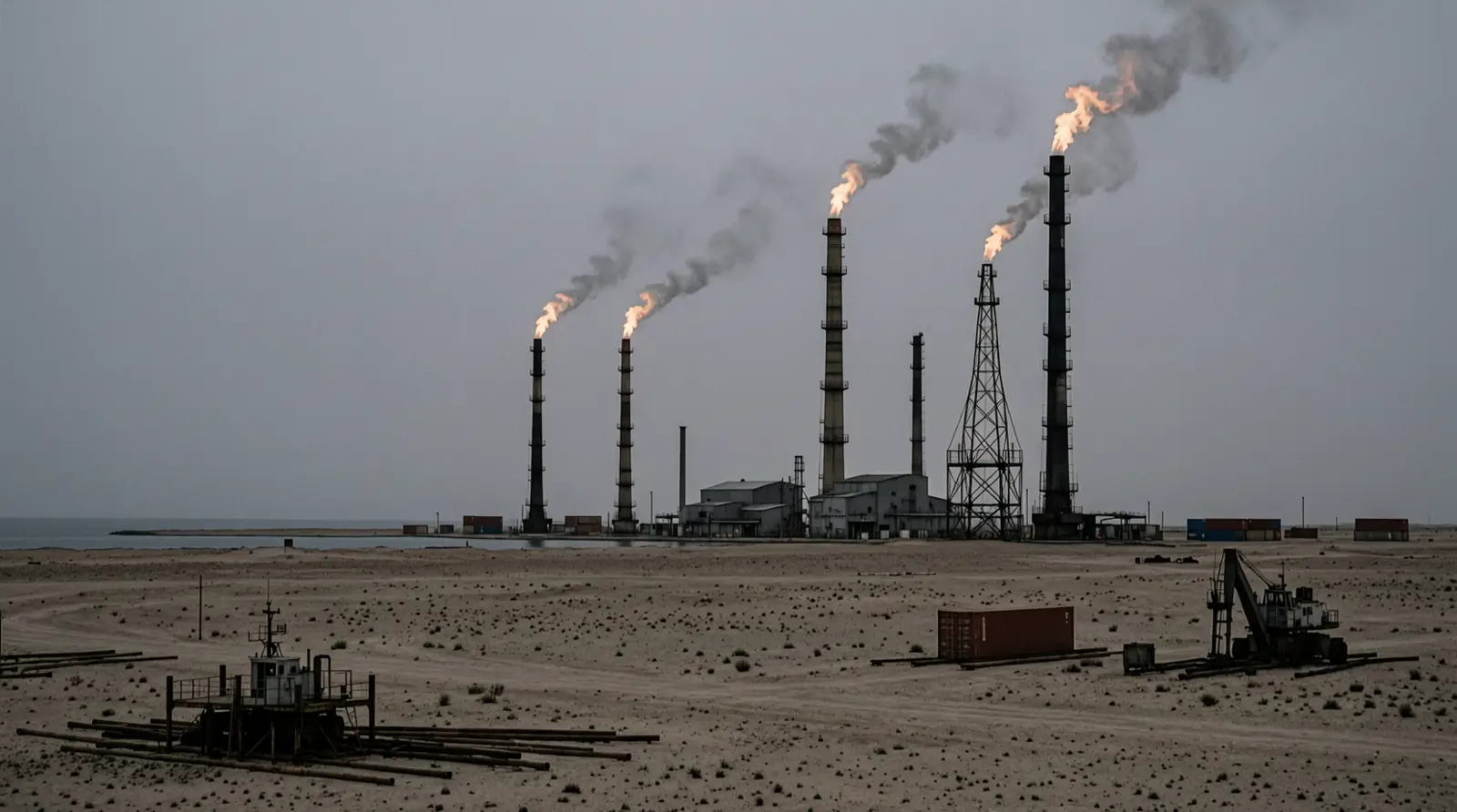
Circulating reports say the Houthis threatened Saudi Arabia's Aramco facilities and Saudi airports, while explosions were reported in Sanaa shortly after a Saudi-led coalition evacuation order. Reported air strikes by the Yemeni government and accusations of civilian casualties add a second layer of risk. Together, the reports move Gulf risk from alerts toward the infrastructure that carries energy, trade and sovereign confidence.
One hour is usually too short to change a football fixture's meaning, but the reported delay of Al-Nassr's AFC Champions League game in Riyadh due to a security warning amid Houthi attacks is the kind of footnote that risk desks keep. The bigger signal is elsewhere. Reported threats have moved from general missile alerts to named Saudi energy and aviation assets.
Threats now name the infrastructure
Circulating reports say the Houthis threatened Saudi Arabia's Aramco facilities. They also say the Houthis threatened Saudi airports. If accurate, that combination matters. Aramco facilities are energy infrastructure; airports are transport infrastructure. When both are named in the same wave of threats, insurers, charterers and sovereign-debt desks receive the same message at once.
A threat to an oil facility and a threat to an airport work through different channels, but they meet in the same place: the price of certainty. Energy operators need security, maintenance windows and staffing. Airlines need routes, ground handling and passenger confidence. When both are threatened, the cost of doing business rises before any physical damage occurs.
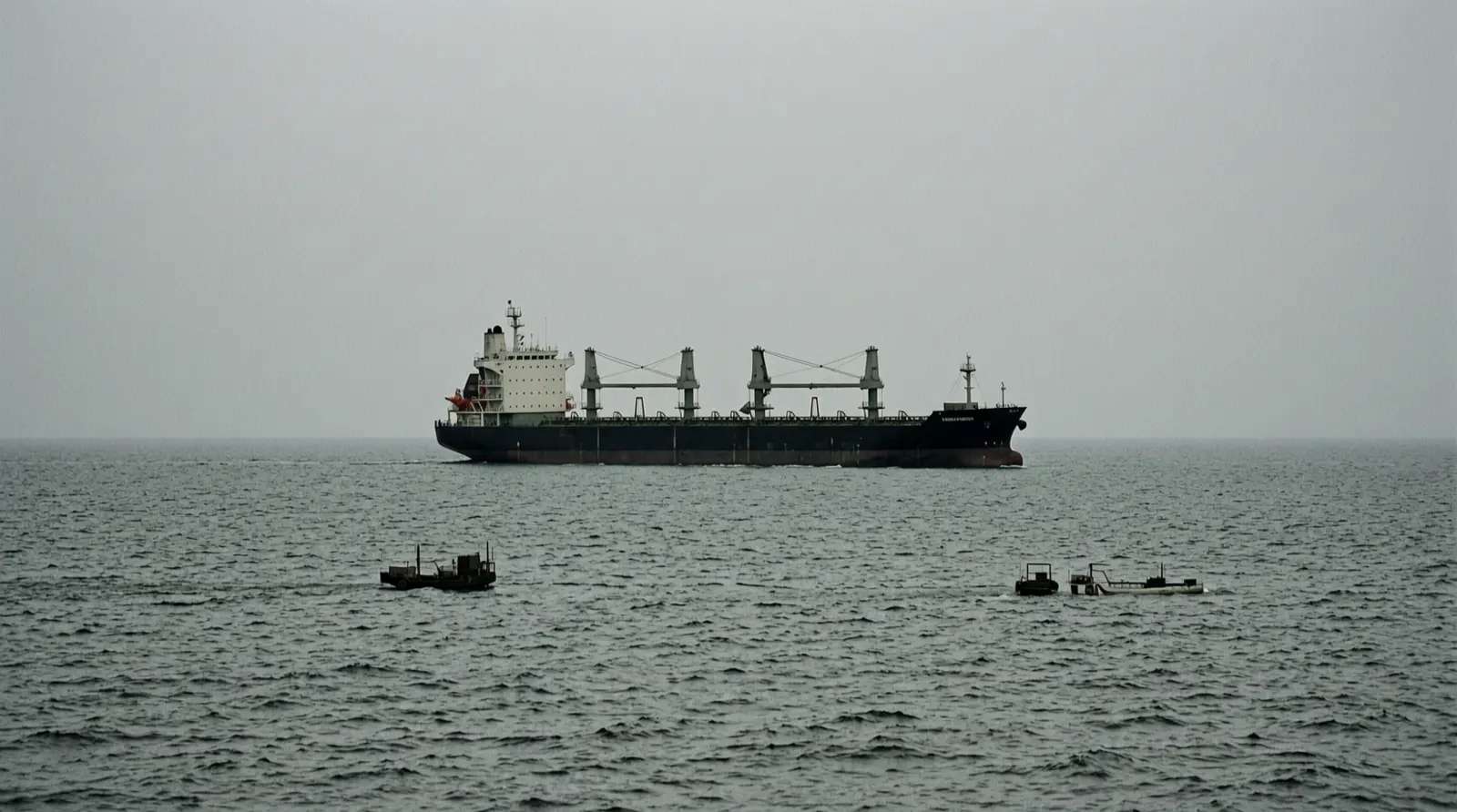
Explosions were reported in Sanaa shortly after a Saudi-led coalition evacuation order. The sequence matters. Evacuation orders usually precede strikes, but explosions after such an order still compress the time between warning and market reaction. The Houthis are also reported to have promised a harsh response. That promise is not a balance-sheet event by itself. It becomes one if it is directed at facilities, corridors or schedules that can be priced.
The market does not need a successful attack to reprice.
The phrase ‘harsh response’ is vague, but markets do not need precision to adjust. They need enough language to imagine a tail outcome. A promise of retaliation can lengthen the period in which security alerts, rerouting and higher insurance are treated as plausible.
Air strikes and missing persons widen the map
The reports also say the Yemeni government launched air strikes on Houthi positions. If true, this is not a one-way threat environment; it is an exchange. That raises the chance of repeated disruption rather than a single headline. A Yemeni rights group accused the Houthis of killing five civilians and injuring more than a dozen others. Hundreds of people have been reported missing in Yemen amid new fighting.
The reported air strikes also matter because they suggest that the Yemeni government is willing to use force against Houthi positions. That can weaken the idea of a contained exchange. If one side threatens Saudi infrastructure and the other strikes inside Yemen, the geography of risk expands from a single border concern to a broader operating theater.
These figures are hard to verify independently, and that uncertainty is itself part of the risk. When casualty and disappearance counts cannot be confirmed, humanitarian and political pressure can rise faster than the underlying facts. For markets, the problem is not only what happened, but what cannot be ruled out.
The market channel is optionality, not certainty
The market does not need a successful attack to reprice. It needs a probability distribution to widen. The reports here do that: threats to Aramco and airports, explosions after an evacuation order, air strikes, civilian casualties, missing persons and a football match delayed by a security warning. Each item is small alone. Together they suggest that the region's risk is no longer confined to alerts that pass without damage.
For oil, threats to Aramco facilities can change loading, maintenance and security costs. For shipping, even a threat can raise premiums and force route reviews. For sovereign risk, Gulf states must balance defense spending, investor confidence and production commitments. Airports add a visible civilian layer: a stadium delay is small, but an airport warning touches passenger flows, cargo scheduling and insurance.
This is why the football delay is more than a sports footnote. A one-hour delay is trivial in the fixture calendar, but it proves that security warnings can alter live schedules in Riyadh. If a stadium can be moved, an airport terminal, a cargo slot or a maintenance window can also be reconsidered.
The open question is whether these reported threats remain rhetoric or begin to show up in freight terms, insurance quotes and sovereign spreads.
- 01Circulating reports say the Houthis threatened Aramco facilities and Saudi airports.
- 02Explosions were reported in Sanaa shortly after a Saudi-led coalition evacuation order.
- 03Reports say the Yemeni government launched air strikes on Houthi positions.
- 04A Yemeni rights group accused the Houthis of killing five civilians and injuring more than a dozen others.
- 05The reported delay of Al-Nassr's AFC Champions League game in Riyadh lasted one hour.
Interpretation, not reporting. The facts above carry their tiers; this is one correspondent’s reading of them.
The useful way to read these threats is not as a single coordinated campaign, but as a widening of the target set. Markets can price a missile alert; they struggle to price a repeated threat that Aramco facilities and airports are exposed. I would treat the football delay as noise until it appears in pricing for energy, shipping or sovereign risk. The civilian-casualty and missing-persons reports are harder to verify, and that uncertainty cuts both ways: it can exaggerate fear, but it also makes de-escalation harder to prove. If the threats stay rhetorical and no further incidents touch energy or aviation infrastructure, the repricing should fade. If air strikes and threats continue in the same sequence, the risk premium will become stickier. What would change my mind is simple: a clear, independently confirmed hit on energy or airport operations, or a visible move in risk pricing rather than headlines.
— Odile Marchetti
Every claim in this article, and what it rests on
We do not ask you to take our word for it. Each statement below carries its tier and its sources. Where sources disagree, you get both accounts and what would settle it.
The Houthis threatened Saudi Arabia's Aramco facilities.
The Houthis threatened Saudi airports.
Explosions were reported in Sanaa shortly after a Saudi-led coalition evacuation order.
The Houthis promised a harsh response.
Al-Nassr's AFC Champions League game in Riyadh was delayed for one hour due to a security warning amid Houthi attacks.
The Yemeni government launched air strikes on Houthi positions.
A Yemeni rights group accused the Houthis of killing five civilians and injuring more than a dozen others.
Hundreds of people have gone missing in Yemen amid new fighting.
The case against this story
Written by an adversarial reviewer, not the correspondent
The story chains together a series of loosely sourced claims to paint a picture of rapid, coordinated escalation: Houthi threats to Aramco and airports, explosions in Sanaa, a promised harsh response, civilian casualties, mass disappearances, and even disruption of an international football match. But several of these claims are either unfalsifiable (hundreds missing, harsh response promised), misleadingly attributed (Yemeni government air strikes), or suspiciously precise in their framing (the Al-Nassr delay). The overall picture — of a coherent, multi-front Houthi offensive met by Yemeni government retaliation — may in fact be a collage of unrelated or loosely related incidents stitched together by temporal proximity and alarmist language. Without named sources for the threats, the rights group accusation, the missing persons count, or the football delay's cause, the reader is being asked to trust a narrative assembled from assertion, not evidence.
Who benefits from this framing: Saudi Arabia and the Saudi-led coalition benefit most from this framing. A reader who accepts these claims as presented sees an aggressive Houthi movement threatening civilian infrastructure (Aramco, airports, a football stadium full of fans), killing civilians, and causing mass disappearances — while the 'Yemeni government' is merely responding with defensive air strikes. This framing erases the coalition's own role in Yemen's humanitarian catastrophe, attributes military action to the Yemeni government rather than to Saudi and Emirati aircraft, and builds public support for continued or escalated coalition operations. It also benefits any party seeking to portray the Houthis as irrational aggressors who threaten even international sporting events, making diplomatic de-escalation seem naive.
Report an error in this article
Subscriptions open at launch
Global Wealth Review will be a paid publication. Reading is free while we build the archive — leave an address and we will write to you once, when subscriptions open.