
Iran’s evasion channels and Chabahar killings raise port risk
Two separate Iranian risks — money leaving and violence near a critical port — could raise compliance and shipping costs if they converge.
 Odile MarchettiCentral banks, rates and sovereign debt
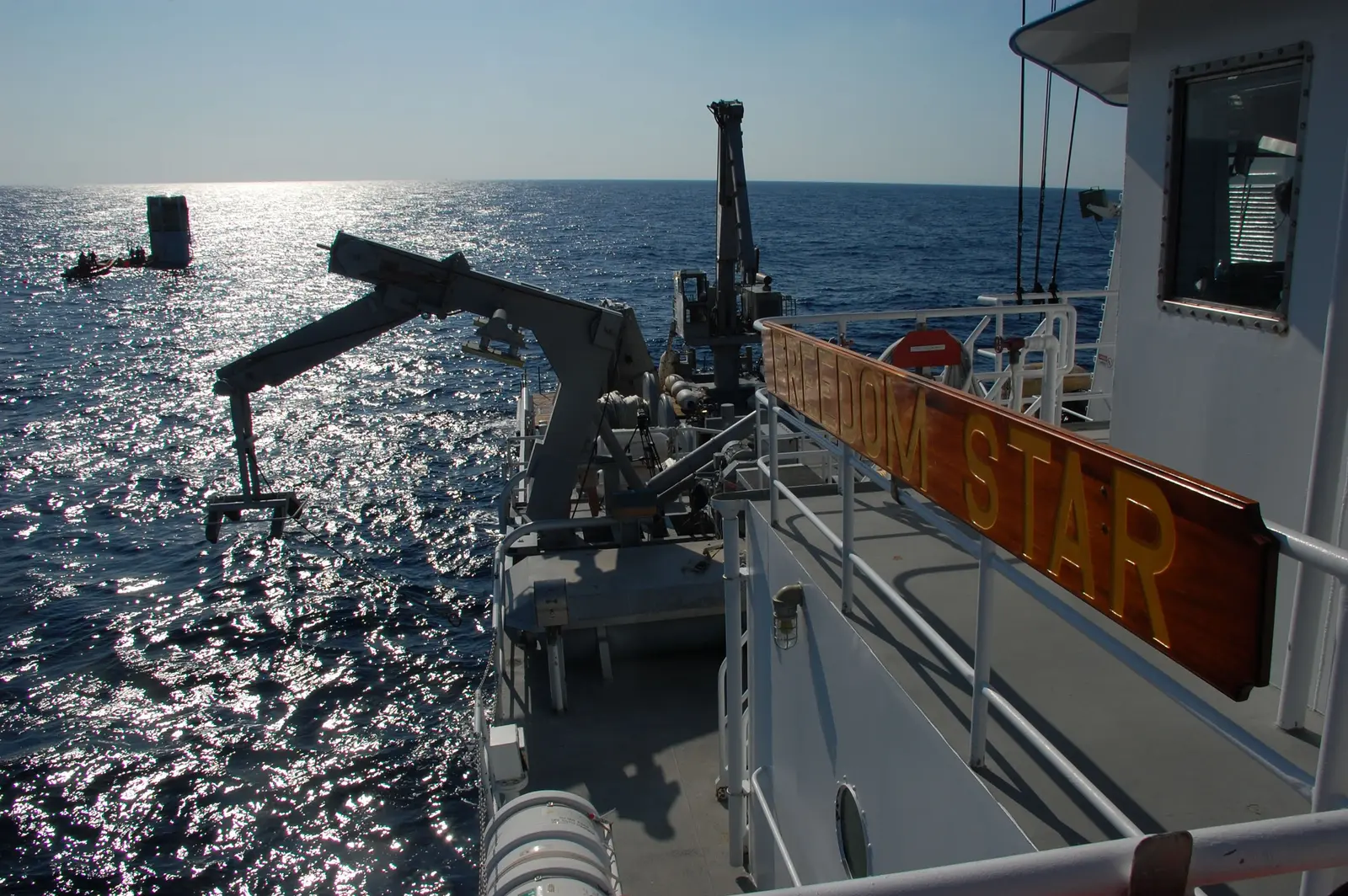
At least two security officials were killed near Chabahar, a critical Iranian port, and Iran said externally supported terrorist groups are targeting security forces. Separately, Iranians are described as moving money abroad through currency brokers and cryptocurrency to avoid US sanctions. The investment question is whether these separate threads become one operational risk for trade and compliance.
At least two security officials have been killed near Iran’s Chabahar port, a critical Iranian port. Iran said terrorist groups supported from outside the country are targeting security forces. That is a state account, not an established fact. At the same time, Iranians are described as moving money abroad to avoid US sanctions, using currency brokers and cryptocurrency.
The two developments sit in the same risk file, but they do not yet form one story. The money-moving channels and the violence near Chabahar may be connected, or they may be separate pressures that happen to converge on a single strategic location. For anyone pricing trade, shipping or compliance, the distinction matters.
Brokers, tokens and the limits of the record
Iranians move money abroad to avoid US sanctions. Currency brokers are used as a channel. Cryptocurrency is used as a channel. That is the broad picture. The sanctions-evasion methods described by Al Jazeera each come with their own problems, which is a warning against treating them as a smooth national system.
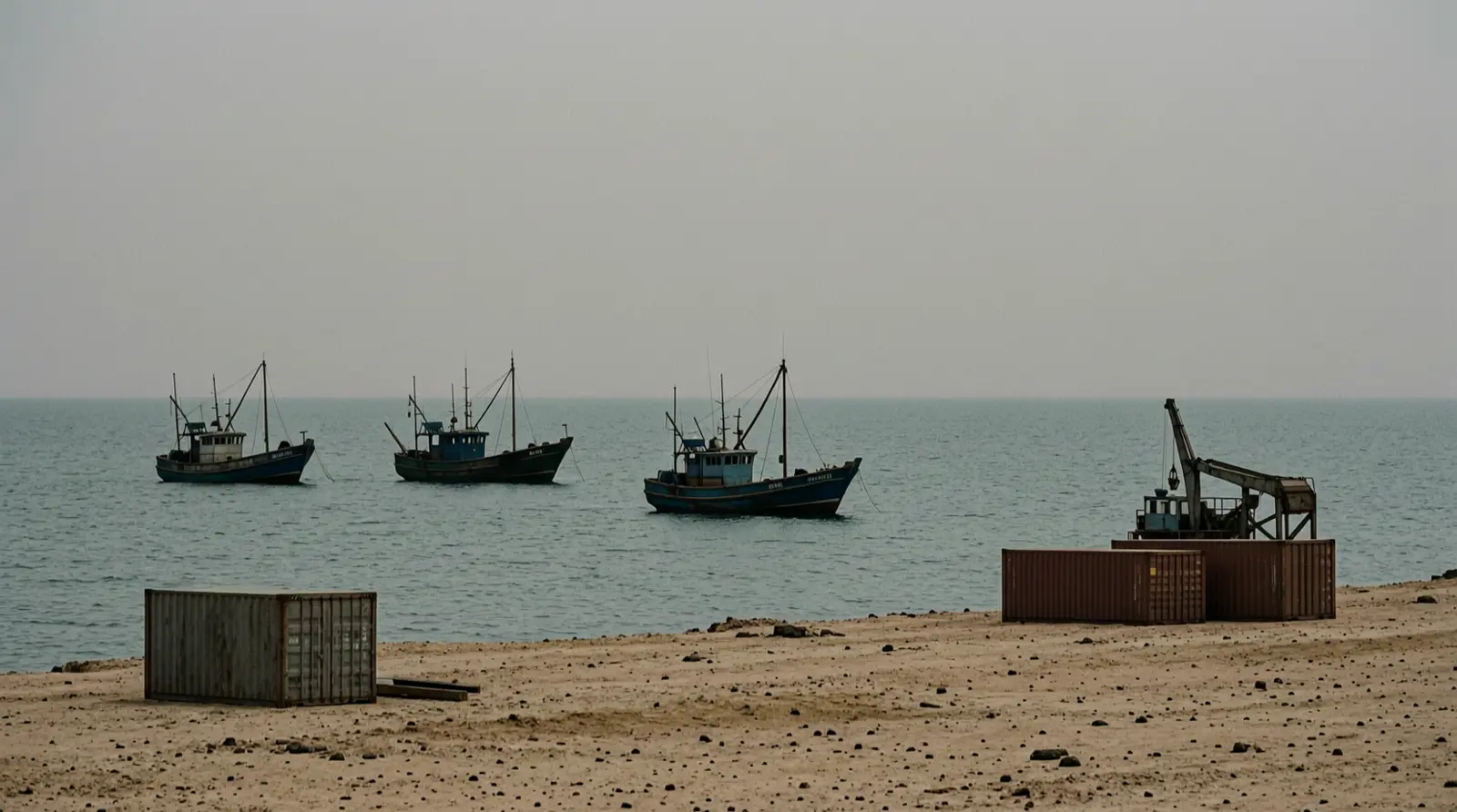
The first problem is scale. A broker network can be vital for a few merchants, families or firms without becoming the dominant route for an entire economy. The second is motive. Moving savings out of a depreciating currency is not the same thing as organising state-level sanctions evasion. One is household defence; the other is deliberate circumvention. Both may use the same rails, but they carry different compliance meanings.
Cryptocurrency adds another layer of ambiguity. A blockchain transfer can be traced in some settings and obscured in others. It can be used by an individual with a small wallet or by a larger actor with multiple addresses. The description of crypto as a channel shows that the rail exists. It does not show who is using it, how often, or for what purpose.
The two threads share a geography, not yet a causal chain.
That matters for anyone responsible for compliance, routing or insurance. If they see Iranian-linked flows, they may ask more questions, demand more documents or decline business. But the material described so far is not a national ledger. It is a set of channels, each with friction.
Chabahar is a port, not a metaphor
Chabahar is described as a critical Iranian port. That makes any killing near it commercially relevant if it leads to delays, rerouting or extra checks. The incident may remain isolated, but the location gives it weight.
At least two security officials were killed near the port. Iran said terrorist groups supported from outside the country are targeting security forces. The account points outward, but it remains unverified. The incident could be part of a coordinated campaign. It could also be a local attack with a different motive. The available information does not settle that.
This is where the narrative needs restraint. A port can be critical and a security incident can be serious without the two facts combining into a broader campaign against trade. If the killings are linked to a campaign targeting the port or its approaches, the risk changes. If they are isolated, the commercial effect may remain limited to extra vigilance.
The connection to sanctions evasion is also not established. Money moving abroad and violence near a port can both reflect pressure on Iran. But pressure is a broad condition. It does not prove that the same actors, incentives or timelines are at work.
What would turn this into a shipping problem
The market question is not whether Iran faces pressure. The question is whether the pressure becomes operational. For Chabahar, that would mean repeated incidents, attacks that touch port operations, or security responses that slow cargo. None of that is established by the information available here.
For sanctions compliance, the question is whether brokers and crypto channels become visible enough to trigger tighter enforcement or broader refusal to deal. Again, the account describes channels, not a decisive surge. The methods come with problems, and those problems may limit their use.
The two threads share a geography, not yet a causal chain. That is the sentence to hold onto. Investors do not need to decide whether Iran is stable or unstable to act on that. They need to know whether the record shows a pattern. At present, it shows two separate risks: money seeking exits, and violence near a critical port. The first can raise compliance friction. The second can raise security concern. Only repetition, attribution or a clear link to port operations would make them one problem.
- 01At least two security officials were killed near Iran’s Chabahar port.
- 02Iran said externally supported terrorist groups are targeting security forces.
- 03Iranians move money abroad to avoid US sanctions.
- 04Currency brokers and cryptocurrency are used as channels.
- 05The described sanctions-evasion methods each come with problems.
Interpretation, not reporting. The facts above carry their tiers; this is one correspondent’s reading of them.
The market signal here is procedural, not dramatic. I see two separate exposures: Iranians moving money abroad through currency brokers and cryptocurrency, and at least two security officials killed near a critical port. Each can raise diligence costs on its own. Together they do not prove a coordinated campaign, and Iran’s account that externally supported terrorist groups are targeting security forces remains its own account. I would treat the shipping question as conditional: Chabahar matters because it is critical, but one incident near it does not establish a pattern. The sanctions-evasion question is similarly limited: brokers and crypto are channels, yet the methods described carry problems and may reflect households protecting savings as much as deliberate evasion. What would change my mind is repetition. If further killings near Chabahar occur, or if the money channels and the port violence are shown to be connected, the risk profile would shift from episodic to structural. Until then, the story is about watchlists, not repricing.
— Odile Marchetti
Every claim in this article, and what it rests on
We do not ask you to take our word for it. Each statement below carries its tier and its sources. Where sources disagree, you get both accounts and what would settle it.
Iranians move money abroad to avoid US sanctions.
Currency brokers are used as a channel by Iranians to move money abroad.
Cryptocurrency is used as a channel by Iranians to move money abroad.
The sanctions-evasion methods described by Al Jazeera each come with their own problems.
At least two security officials were killed near Iran’s Chabahar port.
Iran said terrorist groups supported from outside the country are targeting security forces.
Chabahar port is described as a critical Iranian port.
The case against this story
Written by an adversarial reviewer, not the correspondent
The story weaves two separate threads — economic sanctions evasion and a security incident at Chabahar — into a single narrative of Iranian instability. The sanctions-evasion claims may rest on anecdotal evidence from currency brokers and crypto discussion, presented as a national pattern affecting 'Iranians' broadly. The security incident near Chabahar may be isolated rather than part of a coordinated campaign, and Iran's attribution to externally-supported terrorist groups is an unverified state claim. By placing economic strain and security threats side by side, the story creates an impression of compounding external pressure on Iran that the individual evidence may not support. Ordinary Iranians protecting savings from currency depreciation are conflated with deliberate state-level sanctions evasion, and the Chabahar incident is folded into the economic narrative without established connection.
Who benefits from this framing: Pro-sanctions advocates who can argue sanctions are biting; anti-Iran hawks who portray Iran as under siege and unstable; cryptocurrency-regulation advocates who can cite crypto's role in sanctions evasion; and US-aligned interests who benefit from a narrative of Iranian vulnerability and coordinated external pressure.
Report an error in this article
Subscriptions open at launch
Global Wealth Review will be a paid publication. Reading is free while we build the archive — leave an address and we will write to you once, when subscriptions open.