
Kyiv blackouts and Saratov strikes test winter risk
Attacks on grids and refineries, plus a US-European split over an energy ceasefire, change the winter hedging math.
 Odile MarchettiCentral banks, rates and sovereign debt
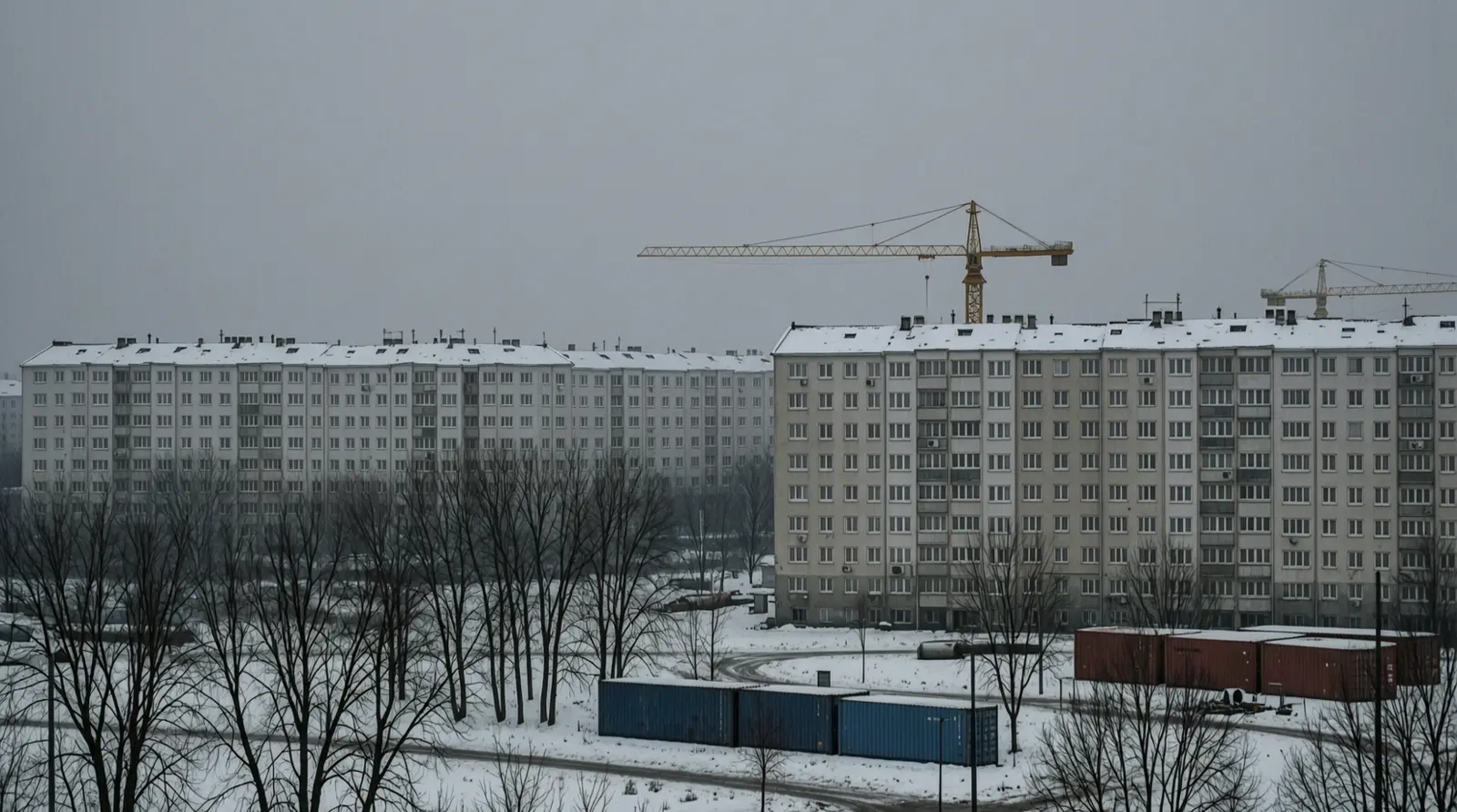
Overnight Russian attacks killed at least six people and cut power in Kyiv, while Ukrainian drones struck more than 100 km into Russia’s Saratov region. Trump says both Putin and Zelenskyy want to end the war, but his energy ceasefire has upset Europe and exposed disagreement over the endgame. For investors, the risk is less a single headline than a winter in which power, defense and sanctions remain exposed.
At least six people were killed in overnight Russian attacks across Ukraine reported on 14 October 2026. The same strikes cut power in Kyiv, turning the capital’s winter problem from a weather question into a grid question. Ukrainian drones also struck the Saratov region, more than 100 km inside Russian territory, where the regional governor reported one person killed.
The military sequence is clear. The diplomatic one is not. Trump said that Putin and Zelenskyy both want to end Russia’s war on Ukraine. His “energy ceasefire” has upset Europe, and the broader disagreement suggests the US and Europe cannot agree on how to end the war.
Power cuts are a winter balance-sheet problem
A blackout is not merely a humanitarian event. It changes load forecasts, reserve margins and emergency procurement at once. For a utility, the immediate cost is replacement power and repair; for the state, it is generators, imports and civil protection. For investors, the transmission channel runs through winter demand: the colder the week, the more a damaged substation matters.
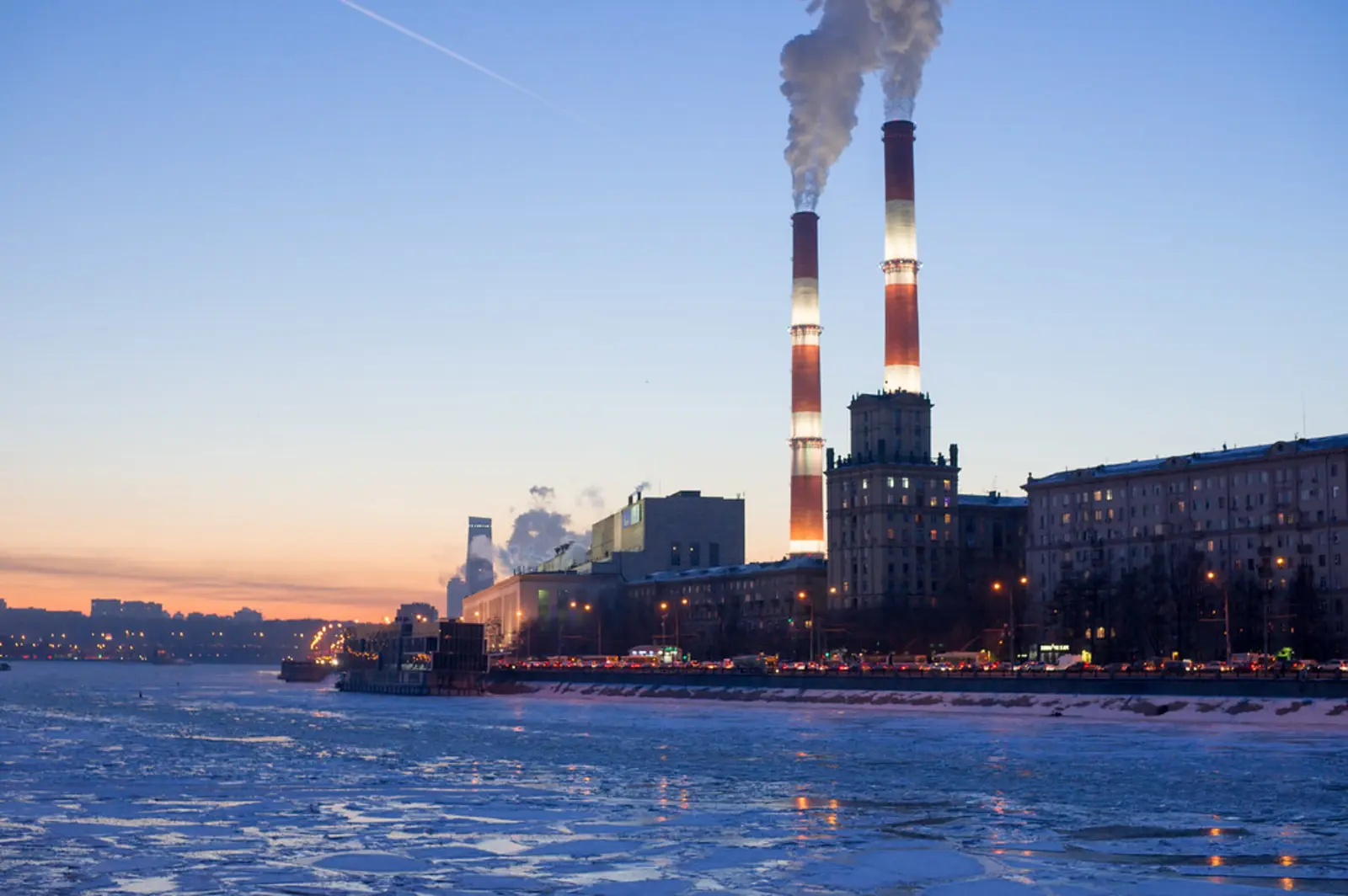
Kyiv’s cuts arrive before peak heating season, which makes the margin thinner. If attacks repeat, the system must rely on imports, distributed generation or rolling outages. Each option has a price. Imports require interconnection capacity; distributed generation requires fuel and maintenance; rolling outages shift losses onto households and businesses.
The truce, if it comes, will have to be written in megawatts as well as words.
The same logic reaches markets. Energy-infrastructure risk tends to show up first in power contracts, then in diesel, gas and emissions hedges, and finally in inflation expectations. The exact price depends on the duration of cuts, but the direction is familiar: more risk, more hedging, more volatility.
Saratov shows the strike radius
The Saratov attack matters because it demonstrates reach. Ukrainian drones struck more than 100 km into Russian territory, a distance that puts refineries, rail nodes and power assets farther from the front line into the set of plausible targets. The regional governor reported one death, which shows that these are not symbolic incursions.
For Russia, the military response may be to disperse or harden energy assets. For Ukraine, the objective is to impose costs on the logistics and revenue base supporting the war. Both responses raise the probability that energy facilities remain in the target set through winter.
That is the point investors often miss. A strike on a transformer is not a one-day event. It changes insurance, maintenance schedules and spare-parts inventories. It also changes the calculus of any ceasefire: if energy assets are both weapons and targets, an “energy ceasefire” requires verification, restraint and a shared definition of what is protected.
A ceasefire without a common price
Trump’s statement that Putin and Zelenskyy both want to end the war is a diplomatic assertion, but it does not reveal the terms. The friction over an “energy ceasefire” suggests that Washington and Europe are not pricing the same risk. One side may see a pause as a way to stop infrastructure damage; the other may see it as a concession that leaves existing gains intact.
The phrase “cannot agree” is broad, but it captures the practical problem. Sanctions, defense spending and reconstruction finance all depend on a common western position. If that position fractures, the cost of carrying winter risk rises. Utilities face less predictable support, defense budgets face less predictable burden-sharing, and sanctions enforcement becomes harder to price.
The market implication is not that peace is impossible. It is that the path to peace is now entangled with energy security. A ceasefire that fails to cover grids, fuel logistics and repair chains would leave the winter risk in place. A ceasefire that does cover them would require monitoring that neither side has yet described.
The open question is whether the next attack changes the diplomatic calculus or hardens it. Kyiv’s power cuts and Saratov’s drone strike both point to a winter in which energy is the battlefield. The truce, if it comes, will have to be written in megawatts as well as words.
- 01At least six people were killed in overnight Russian attacks across Ukraine reported on 14 October 2026.
- 02The attacks cut power in Kyiv.
- 03Ukrainian drones struck the Saratov region more than 100 km into Russian territory, where the regional governor reported one person killed.
- 04Trump said Putin and Zelenskyy both want to end Russia’s war on Ukraine.
- 05Trump’s energy ceasefire upset Europe, and the US and Europe cannot agree on how to end the war.
Interpretation, not reporting. The facts above carry their tiers; this is one correspondent’s reading of them.
The market error would be to treat these strikes as isolated. I see them as a single winter system: Kyiv’s power cuts raise the cost of keeping grids alive, while the Saratov strike shows that energy assets far behind the front line are now reachable. Trump’s assertion that Putin and Zelenskyy both want to end the war does not resolve that system; it merely puts a diplomatic label over a military competition. The energy ceasefire is the tell. If Europe is upset, the disagreement is not about peace in the abstract but about who bears the cost of a pause. I would watch whether future attacks continue to focus on energy infrastructure. If they do through the heating season, expect power, defense and inflation hedges to stay bid. If strikes shift away from grids and a ceasefire includes verifiable restraint on energy targets, I would soften that view. Until then, the safest reading is that winter itself has become leverage.
— Odile Marchetti
Every claim in this article, and what it rests on
We do not ask you to take our word for it. Each statement below carries its tier and its sources. Where sources disagree, you get both accounts and what would settle it.
At least six people were killed in overnight Russian attacks across Ukraine reported on 14 October 2026.
The Russian attacks cut power in Kyiv.
Ukrainian drones struck the Saratov region more than 100 km into Russian territory.
The Saratov regional governor reported one person was killed in the drone strike.
Trump said Putin and Zelenskyy both want to end Russia’s war on Ukraine.
Trump’s ‘energy ceasefire’ upset Europe.
The US and Europe cannot agree on how to end Russia’s war on Ukraine.
The case against this story
Written by an adversarial reviewer, not the correspondent
The story pairs concrete, verifiable military events with broad diplomatic editorializing. Russian attacks killing people and cutting power in Kyiv, and Ukrainian drone strikes on Saratov, are specific events attributable to named sources. But the diplomatic claims are paraphrases and characterizations. Saying Trump stated both Putin and Zelenskyy want to end the war is a characterization without a direct quote. Calling Europe 'upset' by an 'energy ceasefire' attributes a collective emotional response to a continent without naming who objected or how. Declaring that the US and Europe 'cannot agree' presents complex negotiations as a binary failure. The overall picture—both sides escalating while diplomacy collapses—may accurately report military events while overstating or mischaracterizing diplomatic dynamics. The narrative also creates moral equivalence by balancing Russian attacks on Ukrainian civilians with Ukrainian military strikes on Russian territory, framing them as parallel escalation rather than aggression and self-defense.
Who benefits from this framing: This framing benefits Russia by creating moral equivalence between Russian attacks on Ukrainian cities and Ukrainian military strikes on Russian territory, presenting them as parallel escalation rather than aggression met with self-defense. It also benefits actors who want to portray European allies as obstructionist and Trump as a frustrated peacemaker. If readers believe diplomacy is failing because Europe refuses to cooperate, it reduces pressure on Russia to make concessions and deepens divisions within the Western alliance supporting Ukraine.
Report an error in this article
Subscriptions open at launch
Global Wealth Review will be a paid publication. Reading is free while we build the archive — leave an address and we will write to you once, when subscriptions open.