
Macron's school protests are becoming a fiscal test
A response to school funding and living-cost anger could shape French fiscal policy, reform risk and euro-area stability.
 Odile MarchettiCentral banks, rates and sovereign debt
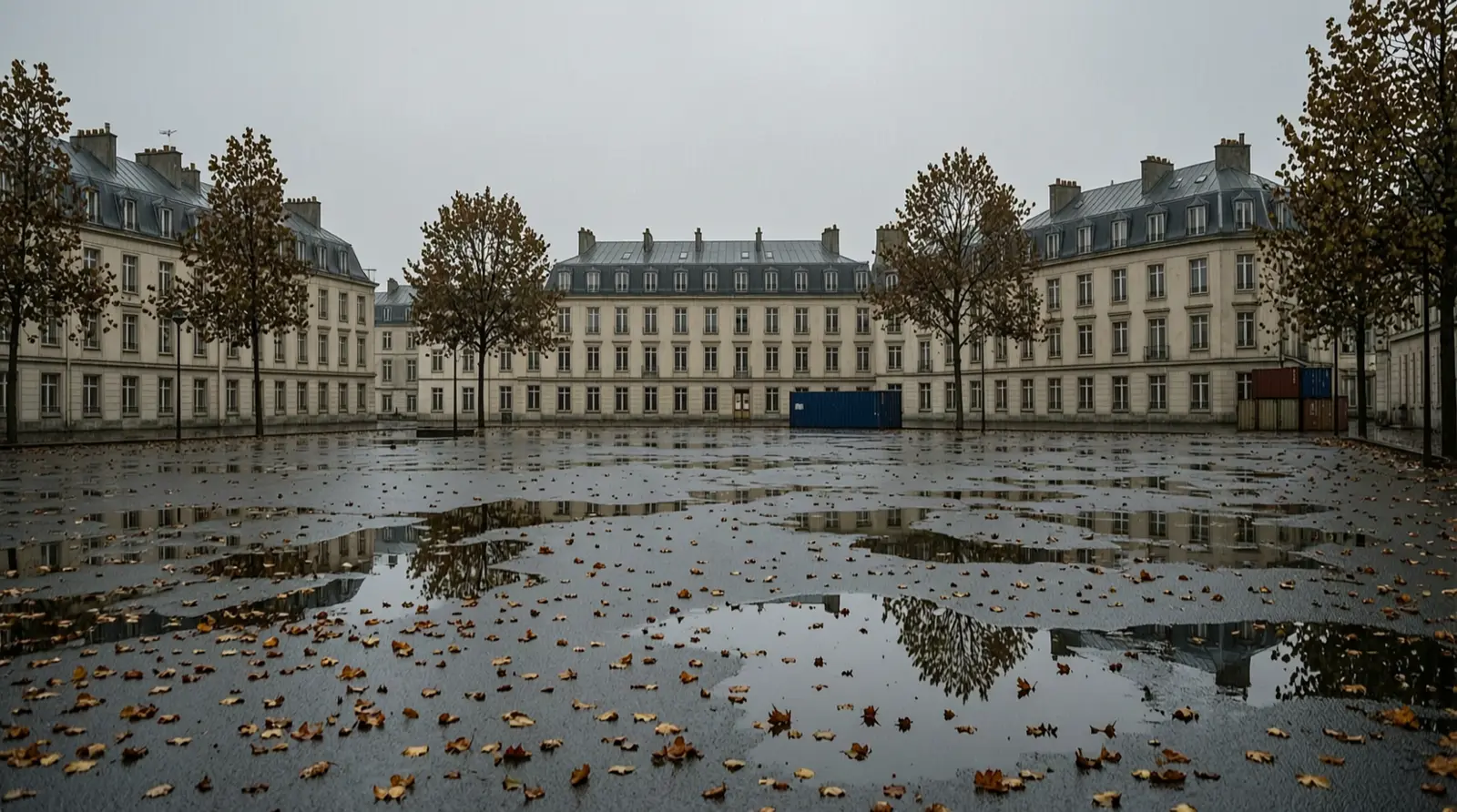
Saturday's demonstrations in France have moved from schoolyards to the presidency, with Emmanuel Macron set to address the nation after protests that combined anger over school conditions and living costs. Reported arrests of about 1,800 and injuries in the hundreds give the unrest a scale that will be read through fiscal and reform risk. The open question is whether students and yellow-vest protesters are forming a durable alliance or merely sharing the same streets.
Roughly 1,800 arrests and hundreds of injuries are the first numbers attached to France's latest protest wave, and they are doing more political work than the crowds themselves. Student-led demonstrations in Paris turned chaotic on Saturday, and the grievances behind them — conditions in schools and the cost of living — have now become a problem for Emmanuel Macron, who is set to address the nation. Paris residents told Al Jazeera they were dismayed by the level of damage left when the protests turned violent.
The protest movement's shape is as important as its size. A student demonstration that stays inside education policy can be contained with school funding. A broader cost-of-living protest cannot. When the two currents meet, the state faces a choice between targeted concessions and a wider fiscal package.
Two grievances, one street
The demonstrations have united students and yellow vest supporters, at least in the physical sense that both were present. That is not the same as a single movement. Students protesting school conditions and yellow-vest supporters protesting living costs can share a route without sharing leadership, demands or discipline. The difference matters for durability, because an alliance can force a policy negotiation, while parallel crowds can simply force a security response.
The address is where the protest becomes a policy question.
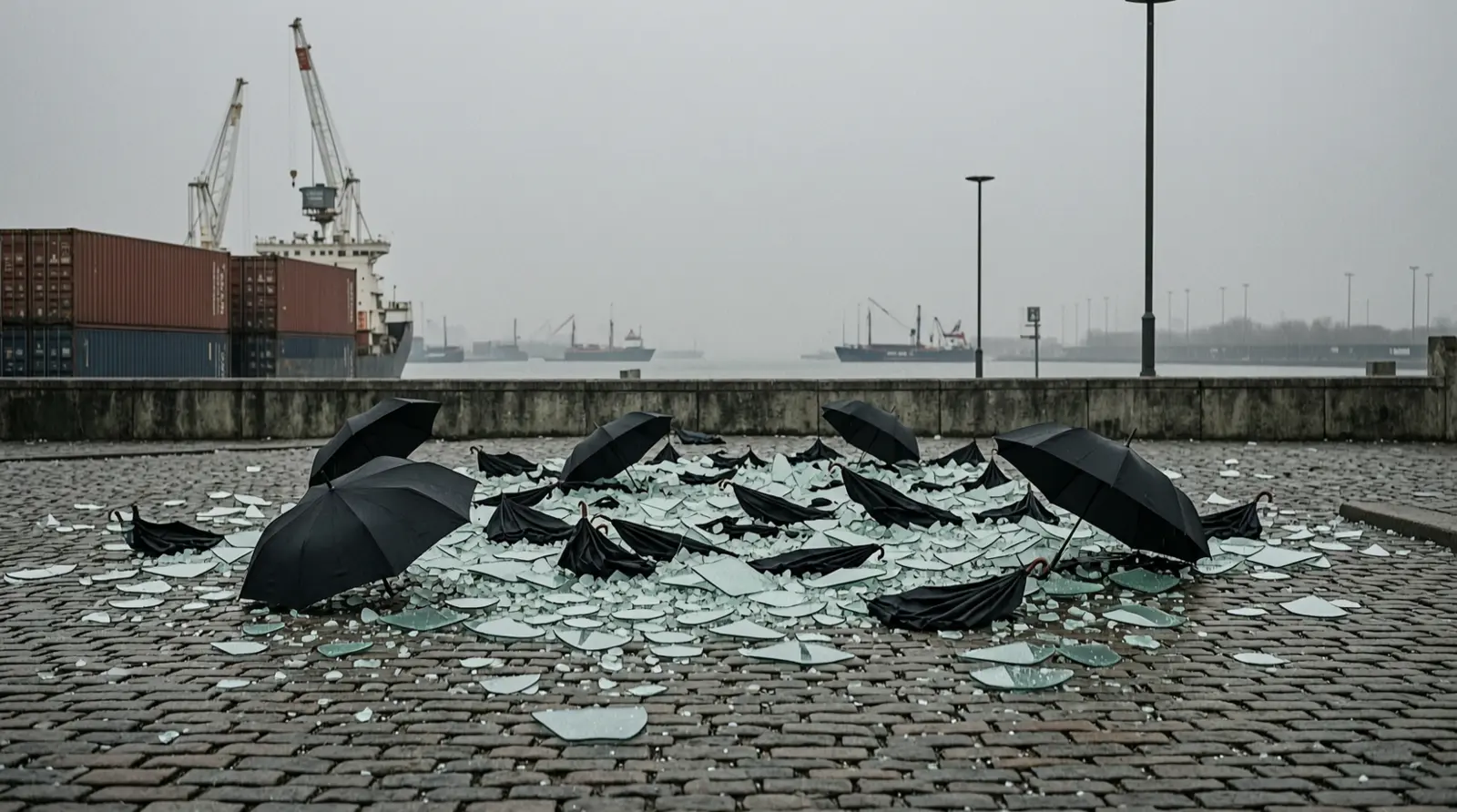
The government's first task is to establish whether the unrest is a coalition with negotiable aims or a sequence of overlapping street events. Macron's address will be read through that distinction. If he treats the groups as one, he may elevate their coordination. If he treats them as separate, he may try to answer each grievance with a different instrument. An address set for after the protests is not the same as a policy plan.
The numbers are doing a lot of work
Approximately 1,800 people were arrested during nationwide demonstrations, and hundreds of people were injured. Those totals are large enough to make the protests a national-order issue, but they do not yet explain who was detained, who was hurt, or how many injuries were serious. In French protest politics, arrest figures can signal either widespread violence or aggressive policing, and the same number can be used to support opposite conclusions.
The injury count matters for the same reason. Hundreds injured is not a single fact but a range: it can include minor treatment, hospital admissions or police and protesters alike. Until the categories are clear, the number will be used as a weapon rather than a measure.
The damage seen in Paris adds another layer. Residents speaking to Al Jazeera described dismay at the destruction, which shifts attention from the demonstrators' demands to the cost of the street itself. That is often the moment when a protest movement loses the sympathy of bystanders, but it is also the moment when the state feels pressure to respond with visible force.
Macron's response is the fiscal channel
The address is where the protest becomes a policy question. Anger over school conditions points to education spending, maintenance and staffing. Frustration over living costs points to taxes, transfers or price relief. Both channels end at the budget, and both can affect reform risk and euro-area political stability.
Macron's choice of frame will matter. A security answer may restore order but leave the funding complaints unresolved. A fiscal answer may divide the protesters but raises the question of what is being traded away elsewhere. That is why the address will be watched beyond France. Euro-area stability is not only a question of budgets; it is also a question of whether member states can pass reforms under street pressure. If Paris cannot settle the school-and-costs argument, the risk is that the protest becomes a recurring fiscal event. The open issue is whether the president will treat this as a policing problem, a spending problem, or a reform problem — and whether students and yellow vests will remain in the same frame long enough to make one answer stick.
- 01Emmanuel Macron is set to address the nation after the protests.
- 02The demonstrations reflect anger over school conditions and high living costs.
- 03Student-led protests in Paris turned chaotic on Saturday.
- 04About 1,800 people were arrested nationwide and hundreds were injured.
- 05Paris residents told Al Jazeera they were dismayed by the damage.
Interpretation, not reporting. The facts above carry their tiers; this is one correspondent’s reading of them.
The fiscal danger in France's street protests is not the violence itself, but the way school funding and living costs are merging into one demand on the state. I would not call the students and yellow vests a single movement yet. They may be sharing streets rather than strategy. But Macron's address forces a choice: answer with policing, with money, or with reform. If he chooses money without reform, the market will ask what is being sacrificed elsewhere. If he chooses policing alone, the grievances remain priced into French politics. What would change my mind is evidence of joint demands or a fiscal package tied to school spending and cost-of-living relief. Until then, I would treat the unrest as a political risk with a fiscal tail, not yet a sovereign event.
— Odile Marchetti
Every claim in this article, and what it rests on
We do not ask you to take our word for it. Each statement below carries its tier and its sources. Where sources disagree, you get both accounts and what would settle it.
Macron is set to address the nation after the protests.
The protests reflect anger over conditions in schools.
The protests reflect frustration with high living costs.
Student-led protests in Paris turned chaotic.
Approximately 1,800 people were arrested during nationwide demonstrations in France.
Hundreds of people were injured during the nationwide demonstrations in France.
Paris residents told Al Jazeera they were dismayed by the level of damage caused when Saturday’s protests turned violent.
The demonstrations have united students and yellow vest supporters.
The case against this story
Written by an adversarial reviewer, not the correspondent
The strongest case against this story is that it may be stitching together separate, distinct protest currents into a single coherent narrative that does not match reality on the ground. The story attributes the demonstrations to both school conditions and high living costs, names both students and yellow vest supporters as participants, and claims these groups have 'united.' But parallel participation is not the same as alliance. Students protesting school conditions and yellow vest supporters protesting living costs could be separate movements happening to overlap in time and place, with the story imposing a false synthesis. The specific arrest figure of approximately 1,800 and the injury claim of hundreds require official sourcing from French authorities; if those numbers come from organiser estimates or journalist tallies rather than the Interior Ministry or medical services, they may be inflated or deflated. The claim that Macron is set to address the nation, if not confirmed by the Élysée, may be speculation dressed as reporting. Taken together, the story's picture of a unified, multi-grievance, violent protest movement uniting disparate factions could be an oversimplification that merges unrelated events into a dramatic but inaccurate composite.
Who benefits from this framing: If a reader believes this framing, opposition political movements benefit from the impression of a broad, united front against the government, which lends their cause greater legitimacy and momentum than fragmented protests would. Media outlets benefit from a more dramatic, coherent narrative that drives engagement. The government could also benefit in a different way: a framing that emphasises chaos, violence, and 1,800 arrests can be used to justify expanded security measures and policing powers. But the primary beneficiary of the specific framing here, which emphasises unity across movements and multiple overlapping grievances, is any political force seeking to portray Macron's government as facing a broad-based popular uprising rather than isolated, issue-specific demonstrations.
Report an error in this article
Subscriptions open at launch
Global Wealth Review will be a paid publication. Reading is free while we build the archive — leave an address and we will write to you once, when subscriptions open.