
MOAB talk and Yemen risk meet a calm VIX
Military optionality and Yemen pressure are widening Gulf event risk while volatility stays calm.
 Odile MarchettiCentral banks, rates and sovereign debt
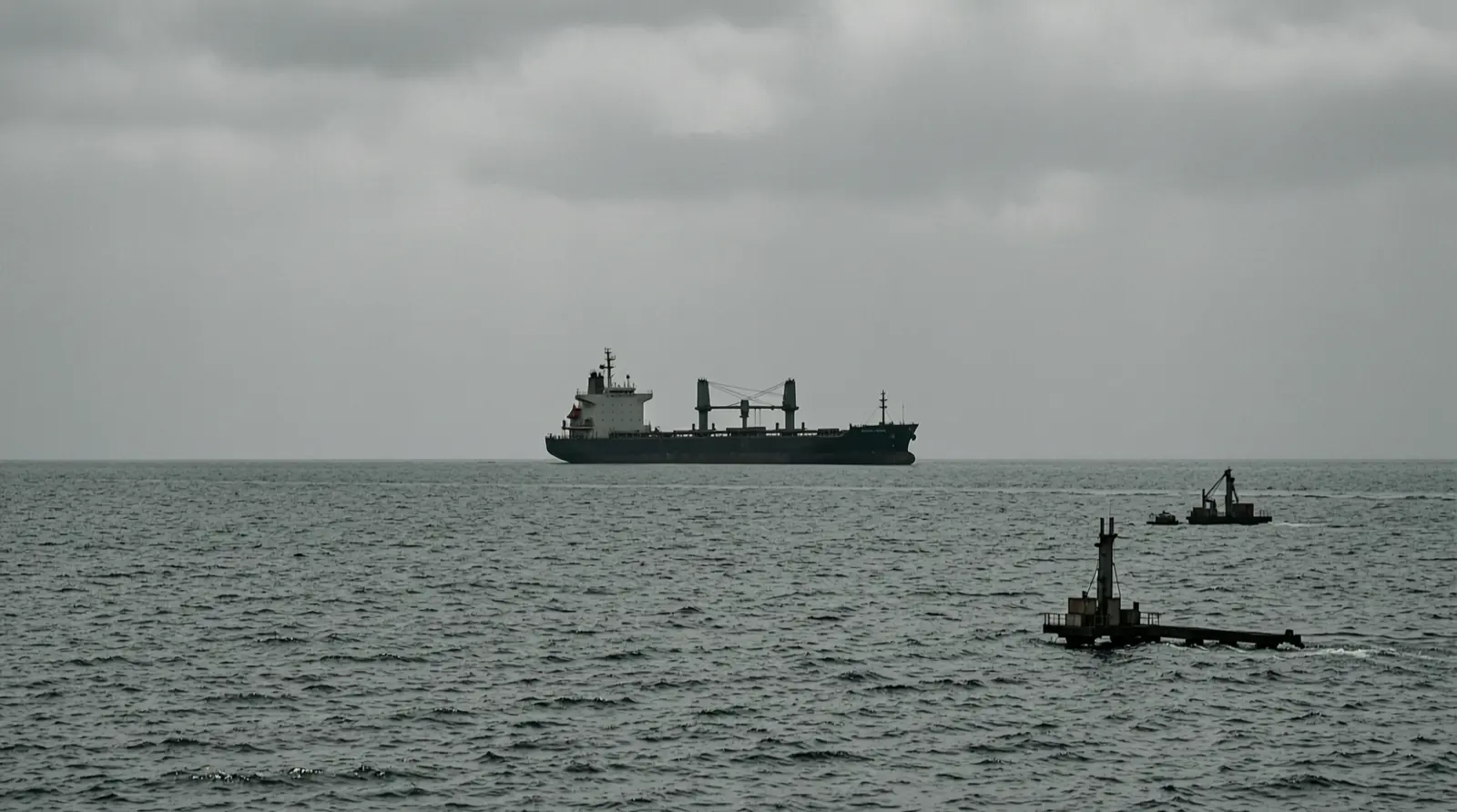
The VIX closed at 16.87 on 14 October, even as reports widened the military and Yemen risk picture. The channel into markets runs through oil, Gulf sovereign sentiment and the Asian Cup's timing. Azerbaijan's oil sensitivity shows how a price shock can cut across sovereign balances.
The VIX closed at 16.87 on 14 October. That is a quiet number next to a loud set of reports: US media reported that the US military is considering plans to use the GBU-43/B Massive Ordnance Air Blast Bomb in Iran, while the same reports say Trump has ruled out attacks before the midterms. The gap between contingency planning and political timing is the first thing a rates or sovereign desk needs to parse.
A bomb report with a political fuse
The MOAB report matters because it widens the menu of military options, not because it confirms an imminent strike. A weapon of that scale raises the stakes of any decision to use it, and any use would carry implications for the Gulf. But the same set of reports includes a political constraint: attacks before the midterms have been ruled out. That does not remove the risk. The bomb is a capability; the order is a decision. It pushes the market to distinguish between capability and intent, and between planning and orders.
The VIX print stands apart from the headlines. At 16.87, it sits as a single calm number beside reports that point to broader military optionality. The comparison that matters is not panic, but the alternative: a market that has not been paid to carry tail risk. Energy is usually the first channel for a Gulf shock before equity volatility adjusts.
The bomb is a capability; the order is a decision.
Yemen is the nearer pressure point
Fighting in Yemen has intensified, and the Houthis are attempting to raise the cost of the war for Saudi Arabia. That is a direct channel into Gulf sovereign risk because it links a neighbouring conflict to Saudi security, fiscal pressure and event risk. The holders of Gulf paper will ask whether those costs are temporary or structural. The Asian Cup, scheduled to begin in Saudi Arabia on 7 January, is the most visible civilian test. The AFC president has said the tournament could be postponed by a year if needed amid Houthi attacks.
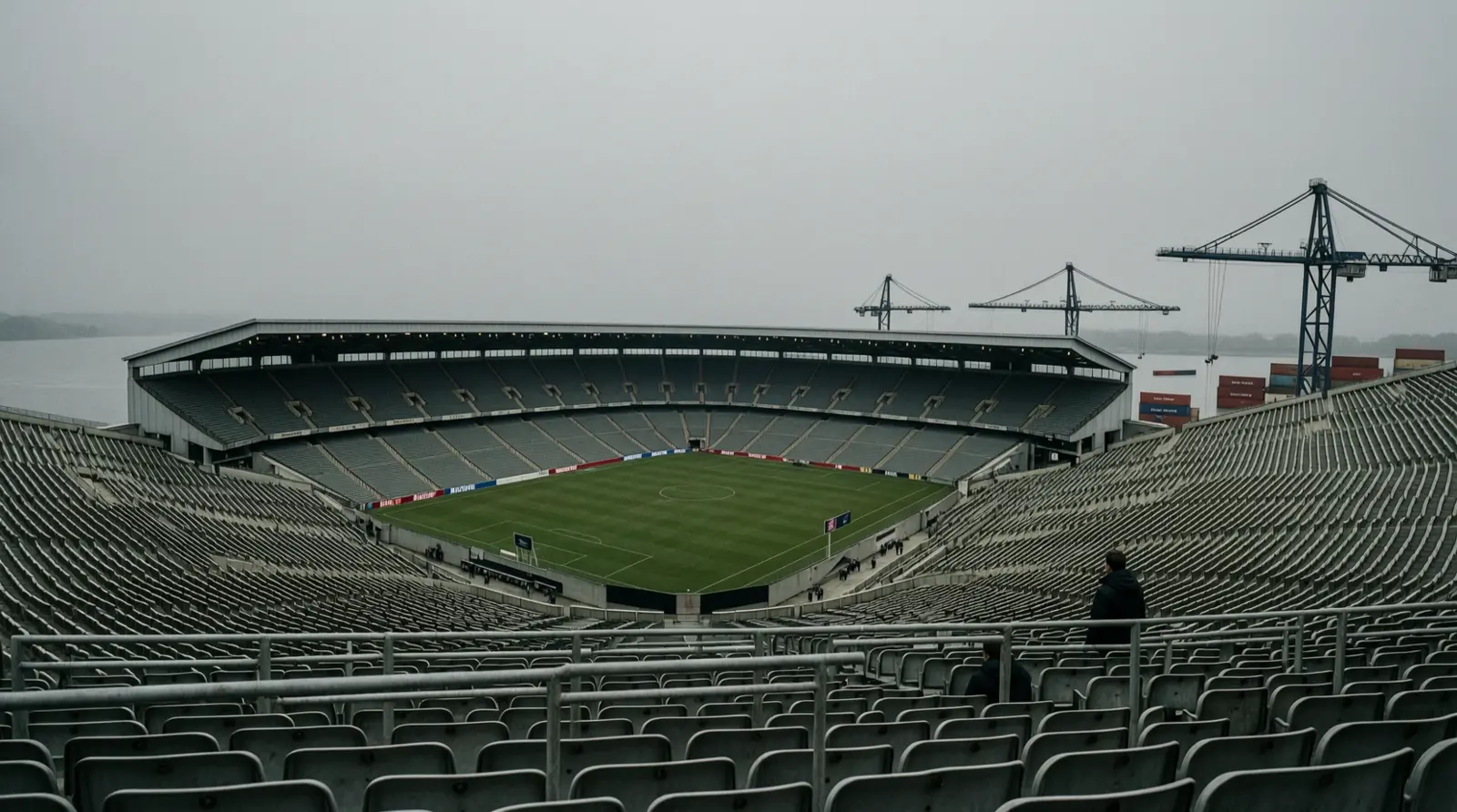
A postponement would be more than a sporting inconvenience. It would turn a scheduled event into a marker of regional risk, and it would give investors a concrete date to watch. That is the sort of date a risk committee can place on a calendar. For Gulf exposure, the mechanism runs from security incidents to insurance, tourism, construction and sovereign sentiment, then to the price at which foreign investors are willing to hold local assets. The Asian Cup is not the source of the risk, but it is a public gauge of whether the risk is being managed or merely deferred.
Azerbaijan's oil side channel
ING has said a $10 rise in oil prices could increase Azerbaijan's exports by 2% to 4% of GDP. That is not a Gulf fact, but it shows how a Middle East shock can travel into sovereign balances. For an oil-exporting sovereign, a $10 move is not marginal. It changes export capacity, fiscal breathing room and the narrative around sovereign resilience.
The comparison is simple. If oil rises because Gulf risk is being repriced, the effect differs across sovereigns. Azerbaijan sits on the gaining side of that equation, if the price move is sustained, because a $10 rise could add 2% to 4% of GDP to exports. The broader point for sovereign exposure is that a war-risk premium does not move every balance sheet in the same direction.
The open question is whether the calm in volatility is a correct judgment about political restraint, or simply a lag before energy and Gulf credit markets move first.
- 01The VIX closed at 16.87 on 14 October.
- 02US media reported that the US military is considering MOAB plans for Iran.
- 03Trump has ruled out attacks before the midterms, according to the reports.
- 04Fighting in Yemen has intensified, with Houthis seeking to raise Saudi Arabia's war costs.
- 05The AFC president said the Asian Cup could be postponed by a year if needed.
Interpretation, not reporting. The facts above carry their tiers; this is one correspondent’s reading of them.
The useful signal is the gap between contingency planning and market pricing. The MOAB reports widen the set of military options, but Trump ruling out attacks before the midterms narrows the near-term political path. Yemen is closer to the balance sheet: intensified fighting and Houthi pressure on Saudi Arabia can move from security to sovereign sentiment, and the Asian Cup gives that risk a public date. Azerbaijan shows the other side of an oil shock: a $10 rise could add 2% to 4% of GDP to exports, which is a meaningful buffer if it persists. I would not treat the VIX at 16.87 as proof that the risk is small; it may simply mean the market has not yet chosen a channel. I would change my view if the Asian Cup proceeds on 7 January without a security-driven postponement and if the MOAB discussion remains detached from any shift in oil or volatility. Until then, the tension between political restraint and military optionality is the thing to watch.
— Odile Marchetti
Every claim in this article, and what it rests on
We do not ask you to take our word for it. Each statement below carries its tier and its sources. Where sources disagree, you get both accounts and what would settle it.
The VIX volatility index closed at 16.87 on 14 October 2026.
US media reported that the US military is considering plans to use the GBU-43/B Massive Ordnance Air Blast Bomb (MOAB) in Iran.
Trump has ruled out attacks before the midterms.
Fighting in Yemen intensified.
Houthis are attempting to raise the cost of the Yemen war for Saudi Arabia.
The Asian Cup in Saudi Arabia is scheduled to begin on January 7.
The AFC president said the Asian Cup could be postponed by a year if needed amid Houthi attacks.
ING said a $10 rise in oil prices could increase Azerbaijan's exports by 2% to 4% of GDP.
The case against this story
Written by an adversarial reviewer, not the correspondent
The story paints a picture of escalating Middle East conflict, but its own claims contradict that narrative. The claim that Trump has 'ruled out attacks before the midterms' directly undercuts the claim that the US military is 'considering plans to use the MOAB in Iran' — if attacks are ruled out, then military contingency planning is routine, not active escalation. The VIX closing at 16.87 is below its long-run historical average of roughly 20, signalling market calm — the opposite of what you would expect if investors genuinely feared imminent MOAB use in Iran or a widening Yemen war. The story also presents long-standing dynamics — Houthi efforts to raise Saudi war costs, ongoing Yemen fighting — as though they are new escalations, and treats standard event-contingency discussions (postponing the Asian Cup) as evidence of imminent threat rather than normal planning. The net effect is an alarmist collage assembled from routine military planning, political posturing, and low-level ongoing conflict.
Who benefits from this framing: Pro-escalation voices advocating military action against Iran benefit from framing routine contingency planning as active escalation. Oil industry interests profit from conflict-driven price premiums — and the ING analysis of Azerbaijan's GDP gains from a $10 oil rise reinforces the economic stakes of keeping conflict fears alive. Media outlets benefit from alarmist headlines that drive engagement. Azerbaijan's government benefits from analysis highlighting its economic upside from higher oil prices, which could attract investment. Saudi Arabia's regional rivals benefit from a framing that portrays the kingdom as unable to secure its own territory or host a major sporting event.
Report an error in this article
Subscriptions open at launch
Global Wealth Review will be a paid publication. Reading is free while we build the archive — leave an address and we will write to you once, when subscriptions open.