
Riyadh missile alerts test Gulf risk, but markets stay calm
These claims matter because even intercepted missiles can raise aviation insurance, disrupt schedules and add a risk premium to Gulf commerce.
 Odile MarchettiCentral banks, rates and sovereign debt
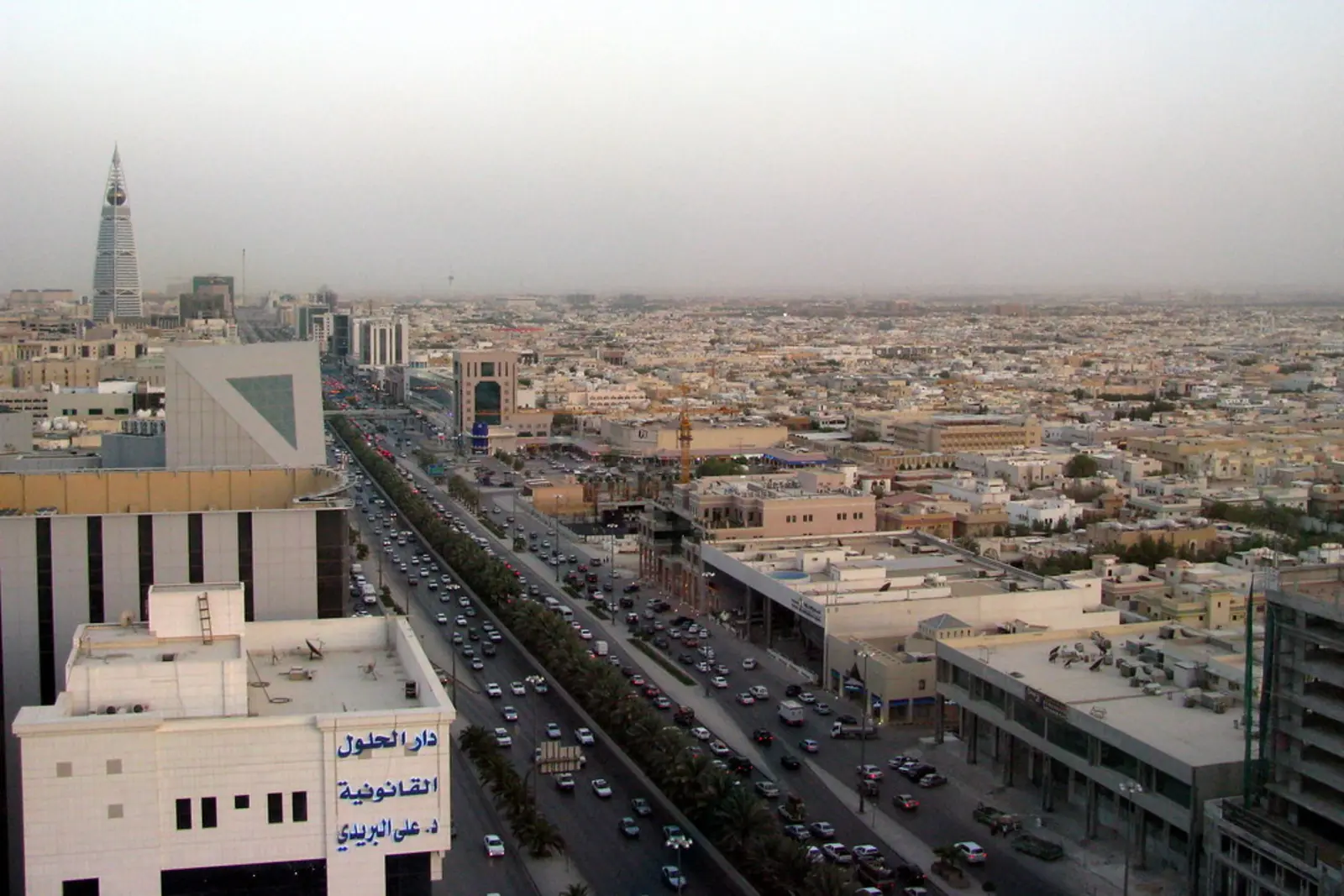
Houthi statements said attacks targeted Riyadh for a third consecutive day, while Saudi Arabia said it downed a ballistic missile and halted flights at Riyadh airport. The Houthis said King Khalid airport was targeted, and US President Trump condemned the group. A reported VIX reading of 14.84 on 9 October suggests broad markets were not pricing panic, even as aviation and regional risk channels remain sensitive.
A reported volatility reading of 14.84 on 9 October is not the number one expects beside missile alerts over Riyadh. Yet that is the tension in the latest Gulf security reports: Houthi statements said attacks targeted the Saudi capital for a third consecutive day, while Saudi Arabia said it downed a ballistic missile fired at Riyadh. The Houthis also said they targeted King Khalid airport, and Saudi Arabia halted flights at Riyadh airport.
That sequence matters even if each piece needs qualification. Missile alerts do not need a warhead to land to change behaviour. They force aircraft to hold, divert or cancel, push insurers to repricing, and make airport operators prove that runways, terminals and fuel farms are safe. For a hub like Riyadh, the cost is not only a lost slot. It is the credibility of the timetable.
Claims are loud, confirmed damage is not
The available descriptions are competing claims rather than an independent damage assessment. Saudi Arabia said it downed a ballistic missile fired at Riyadh. The Houthis said they targeted King Khalid airport. Saudi Arabia halted flights at Riyadh airport. Houthi statements said attacks targeted the city for a third consecutive day.
Those are serious assertions, but they do not all carry the same weight. A statement that a missile was targeted at an airport does not say how close it came, whether debris fell, or whether the threat was detected far outside the perimeter. A halt to flights can mean a full closure, a temporary ground stop, or diversions while authorities check airspace. The difference matters for airlines, passengers and underwriters, and it also matters for any investor trying to judge whether this is a nuisance or a shift in the risk map.
A reported volatility reading of 14.84 on 9 October is not the number one expects beside missile alerts over Riyadh.
US President Trump said the Houthis were misbehaving and condemned them over escalating attacks. That is political language, not a technical assessment. It signals Washington is watching, but it does not establish the scale of the attack, the effectiveness of the interception, or the degree to which Saudi infrastructure was threatened.
Football and flags show the domestic stage
The security story also brushed against Saudi Arabia's public calendar. An Al Nassr match was interrupted by a missile alert. Cristiano Ronaldo waved a scarf bearing the Saudi flag after Al Nassr's victory.
Those details are not central to the military picture, but they explain why the incident travels beyond defence ministries. A missile alert at a stadium turns an abstract interception into a civilian moment. A star player waving the national flag turns sport into reassurance. For Riyadh, the message is as much about normalcy as about air defence.
For markets, the channel is less emotional. If alerts become frequent, aviation insurers raise premiums, operators build in longer turnarounds, and business travellers price in disruption. Regional commerce feels it through meetings cancelled, cargo delayed and contingency plans activated. None of that requires a successful strike. It only requires enough uncertainty that schedulers stop treating the route as frictionless.
Oil risk premia can rise before volatility does
The bigger question is whether this moves from aviation risk to oil-market risk. The claims do not say that oil infrastructure was targeted. They say Riyadh, a political and administrative centre, was the focus. That distinction matters. A threat to export terminals, pumping stations or loading facilities would hit supply directly. A threat to the capital works more through confidence, sovereign risk and the possibility of wider escalation.
The reported VIX reading cuts against the panic version of the story. A print of 14.84 is low relative to the level one would expect if markets were bracing for a regional shock. But the VIX is a US equity volatility gauge, not a tanker insurance index or a Gulf sovereign bond spread. It can stay calm while shipping underwriters, charterers and crude options desks quietly add a few basis points of risk.
That is the honest limit of the evidence. The claims support alerts, a reported interception, political condemnation and flight disruption. They do not yet support a conclusion that Riyadh was paralysed, that oil supply was impaired, or that markets are mispricing a major escalation. They do support a narrower point: Gulf risk is being tested in public, and the first price to move is usually not the headline one. It is the price of certainty that a flight, a fixture or a cargo route will run as planned.
- 01Houthi statements said attacks targeted Riyadh for a third consecutive day.
- 02Saudi Arabia said it downed a ballistic missile fired at Riyadh.
- 03The Houthis said King Khalid airport was targeted, and Saudi Arabia halted flights at Riyadh airport.
- 04US President Trump said the Houthis were misbehaving and condemned them over escalating attacks.
- 05The VIX was reported at 14.84 on 9 October.
Interpretation, not reporting. The facts above carry their tiers; this is one correspondent’s reading of them.
The credible story here is not paralysis; it is friction. I read the Riyadh claims as a test of confidence rather than a confirmed change in the military balance. Saudi Arabia says it downed a ballistic missile, the Houthis say they targeted King Khalid airport, and flights were halted. That is enough to raise aviation insurance and scheduling costs, but not enough, on this evidence, to say Gulf risk premia has shifted decisively. The low VIX matters to me not because it proves calm, but because it shows broad markets are not yet paying for escalation. What would change my view is a verified strike on energy infrastructure, a sustained airport closure, or a clear jump in shipping insurance tied to the attacks. Without that, I treat the football interruption and political condemnation as colour, not confirmation. The market question is whether these alerts remain isolated or become routine. If they become routine, the calm in volatility will look like lag, not wisdom.
— Odile Marchetti
Every claim in this article, and what it rests on
We do not ask you to take our word for it. Each statement below carries its tier and its sources. Where sources disagree, you get both accounts and what would settle it.
The VIX volatility index was 14.84 on 2026-10-09.
Houthi missile attacks targeted the Saudi capital Riyadh for a third consecutive day.
Saudi Arabia said it downed a ballistic missile fired at Riyadh.
The Houthis said they targeted King Khalid airport.
Saudi Arabia halted flights at Riyadh airport.
US President Trump said the Houthis were misbehaving and condemned them over escalating attacks.
An Al Nassr match was interrupted by a missile alert.
Cristiano Ronaldo waved a scarf bearing the Saudi flag after Al Nassr's victory.
The case against this story
Written by an adversarial reviewer, not the correspondent
The story is built largely from belligerent claims and alarm-color details, not independently verified impact. Houthi and Saudi statements are self-serving; 'targeted' and 'downed' may not mean a missile reached or seriously threatened Riyadh. The airport may have had brief diversions, not a shutdown. Trump's 'misbehaving' is thin as a condemnation. The Ronaldo/Al Nassr details are entertainment/PR color grafted onto a security story. Most importantly, VIX 14.84 is low, suggesting markets were not pricing major escalation. Read together, the evidence supports at most isolated alerts and competing claims, not a sustained third-day crisis paralyzing Riyadh.
Who benefits from this framing: Primarily Saudi Arabia and anti-Houthi/anti-Iran hawks: threat inflation justifies retaliation, air-defense spending, and domestic mobilization. Houthi propagandists also benefit if readers believe they can repeatedly threaten Riyadh and disrupt high-profile sports, while engagement-driven media benefit from the crisis-and-celebrity framing.
Report an error in this article
Subscriptions open at launch
Global Wealth Review will be a paid publication. Reading is free while we build the archive — leave an address and we will write to you once, when subscriptions open.